History of Palazzo Barberini - Timeline and Transformation
Follow Palazzo Barberini across centuries: dynastic politics, architecture, collecting habits, and museum identity.
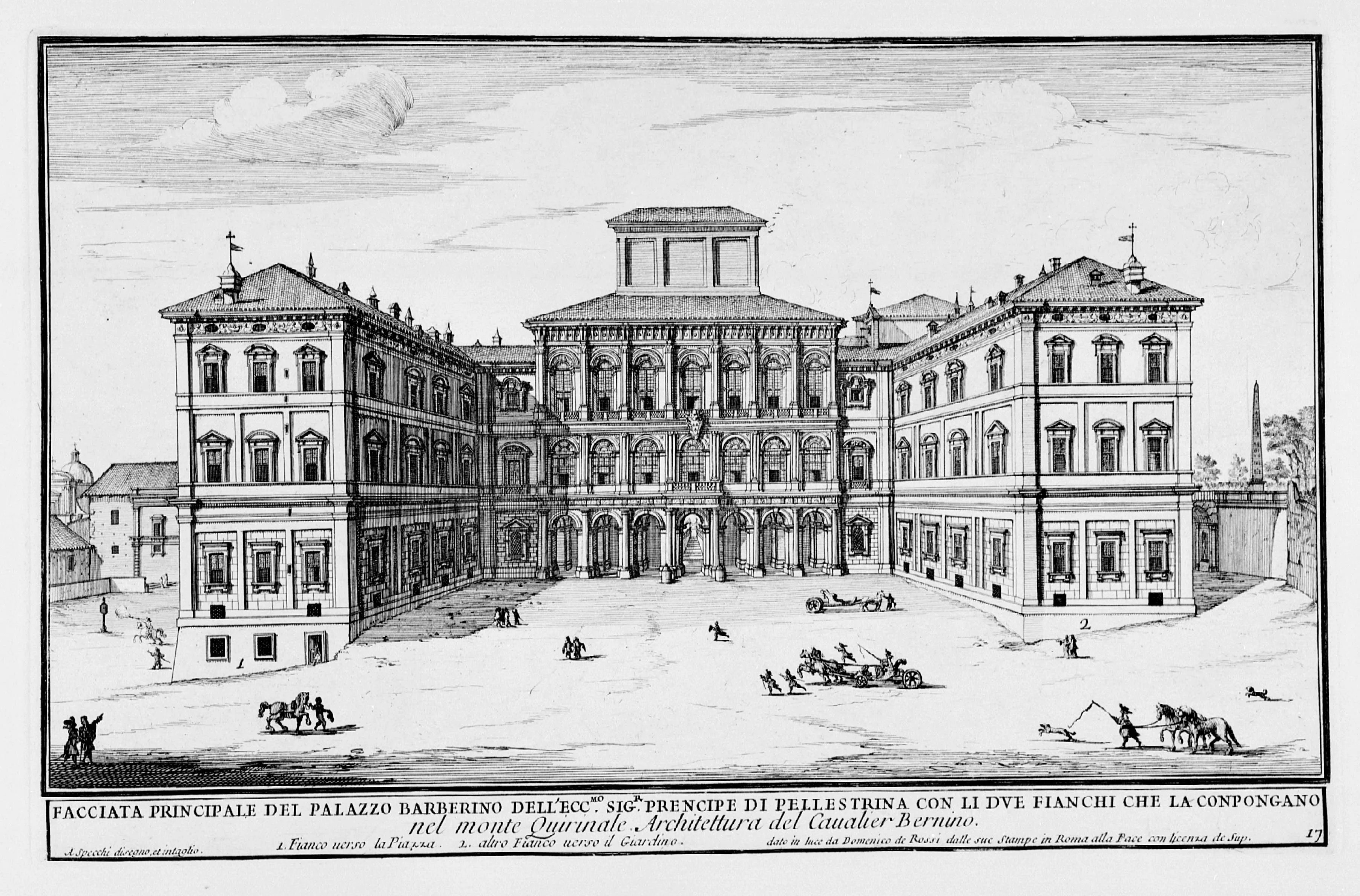
Some buildings are only buildings. Palazzo Barberini is also a document—written in stone, fresco, and institutional reinvention.
Timeline snapshot
| Era | What changed |
|---|---|
| 17th century | Family prestige project and Baroque statement |
| 18th–19th centuries | Collection shifts and changing uses |
| 20th century onward | Public museum framework consolidates |
Narrative arc
The palace begins as an instrument of visibility: lineage, papal proximity, and cultural authority made tangible. Over time, private ambition becomes public inheritance. The transition is never clean; it is negotiated through policy, preservation, and curatorial choice.
Every restored cornice is also a decision about what kind of memory the city keeps.
Three lenses for reading the site
- Political lens: patronage and legitimacy.
- Art-historical lens: style, schools, and collecting taste.
- Civic lens: access, education, and cultural stewardship.
Read the palace as a living institution, not a frozen monument, and its contradictions become its depth.
关于作者

Rome Art Desk
这份指南旨在让巴贝里尼宫对不同类型访客都更易接近、更有意义、也更易享受——无论你是第一次进入巴洛克博物馆,还是已经对艺术有深入兴趣。我们把实用建议与历史叙事结合,希望让这次参观不仅“好看”,更真正“值得记住”。在这里,每一间厅室都不只是年代标签,而是在讲述权力、象征、城市与记忆如何交织。
Tags
Comments (0)
Loading comments...