History of Palazzo Barberini - Timeline and Transformation
Follow Palazzo Barberini across centuries: dynastic politics, architecture, collecting habits, and museum identity.
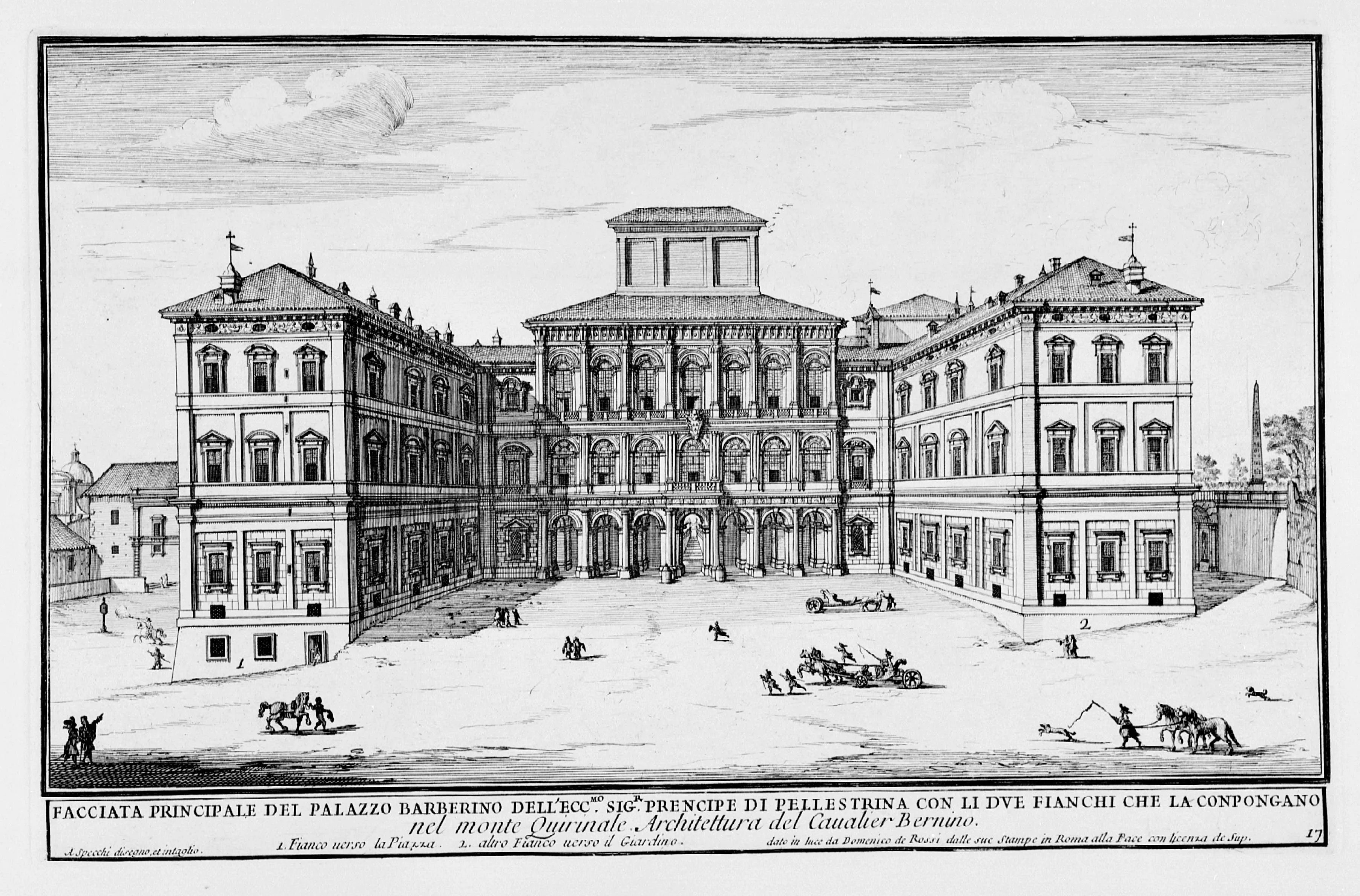
Some buildings are only buildings. Palazzo Barberini is also a document—written in stone, fresco, and institutional reinvention.
Timeline snapshot
| Era | What changed |
|---|---|
| 17th century | Family prestige project and Baroque statement |
| 18th–19th centuries | Collection shifts and changing uses |
| 20th century onward | Public museum framework consolidates |
Narrative arc
The palace begins as an instrument of visibility: lineage, papal proximity, and cultural authority made tangible. Over time, private ambition becomes public inheritance. The transition is never clean; it is negotiated through policy, preservation, and curatorial choice.
Every restored cornice is also a decision about what kind of memory the city keeps.
Three lenses for reading the site
- Political lens: patronage and legitimacy.
- Art-historical lens: style, schools, and collecting taste.
- Civic lens: access, education, and cultural stewardship.
Read the palace as a living institution, not a frozen monument, and its contradictions become its depth.
مصنف کے بارے میں

Rome Art Desk
یہ گائیڈ اس مقصد سے تیار کی گئی ہے کہ پالازو باربرینی ہر طرح کے مسافروں کے لیے قابلِ فہم، بامعنی اور لطف اندوزی کے قابل بنے—چاہے پہلی بار آنے والے ہوں یا سنجیدہ آرٹ شائق—عملی رہنمائی اور یادگار کہانیوں کے امتزاج کے ساتھ۔
Tags
Comments (0)
Loading comments...