Triumph of Divine Providence Explained - Palazzo Barberini Fresco Guide
Understand Pietro da Cortona's masterpiece with a practical, story-led method: where to stand, what symbols to follow, and what the fresco meant politically.
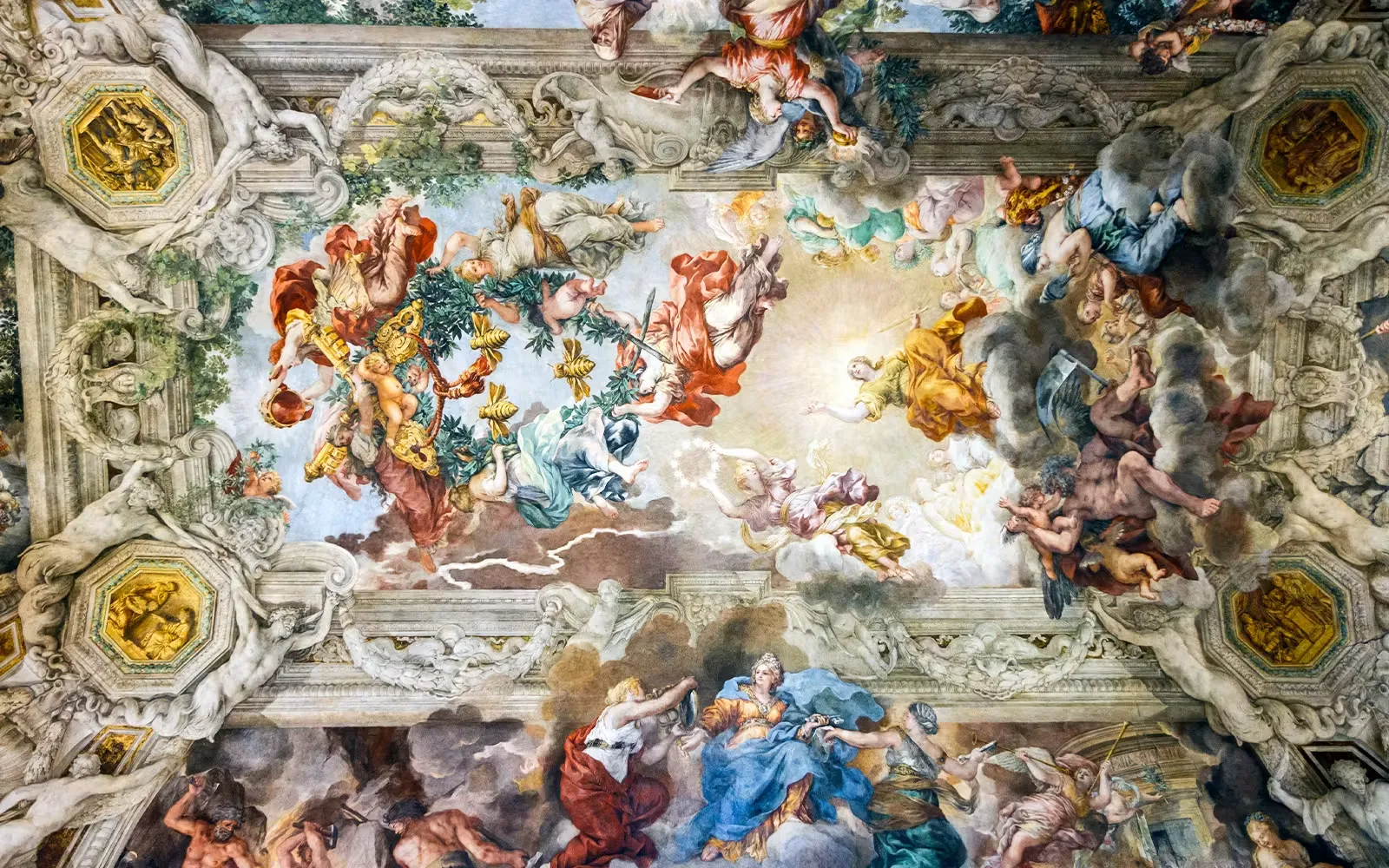
The first mistake visitors make is trying to decode everything at once. The second is not looking long enough. This fresco is not a puzzle box; it is a performance.
Start with movement, not details
Stand still. Let your eyes trace the diagonal currents of bodies, drapery, and light. The painting behaves like orchestral music: themes emerge, swell, and return.
A practical 4-pass method
| Pass | Focus | Time |
|---|---|---|
| 1 | Overall composition | 2 min |
| 2 | Barberini symbols (bees, heraldic cues) | 3 min |
| 3 | Virtues and allegories | 4 min |
| 4 | Political message and emotional effect | 4 min |
Look for this: the painting constantly translates dynastic ambition into cosmic order.
Symbol anchors
- Bees: heraldry as branding before modern branding existed.
- Laurel/crowns: legitimacy and triumph.
- Falling shadows vs. luminous zones: visual morality play.
Tiny glossary
- Allegory: ideas shown as characters.
- Apotheosis: elevation to near-divine status.
- Quadratura: illusionistic architecture expanding real space.
Advanced tip for repeat visitors
Try viewing once from the room edge and once from near center. The narrative hierarchy changes with your position.
In the end, the fresco works because it fuses ideology and exhilaration. You do not just understand it—you feel it moving above you.
著者について

Rome Art Desk
このガイドは、初めてバロック美術館を訪れる方から、より深い鑑賞を求める方まで、誰にとってもパラッツォ・バルベリーニを“分かりやすく、近く、意味のある場所”にするために作られました。実用情報と歴史叙述を自然に結び、見学を単なる“美しい体験”で終わらせず、長く記憶に残る文化体験へ導くことを目指しています。ここでは各部屋が年代を示すだけでなく、権力・象徴・都市・記憶の絡み合いを語っています。
Tags
Comments (0)
Loading comments...