History of Palazzo Barberini - Timeline and Transformation
Follow Palazzo Barberini across centuries: dynastic politics, architecture, collecting habits, and museum identity.
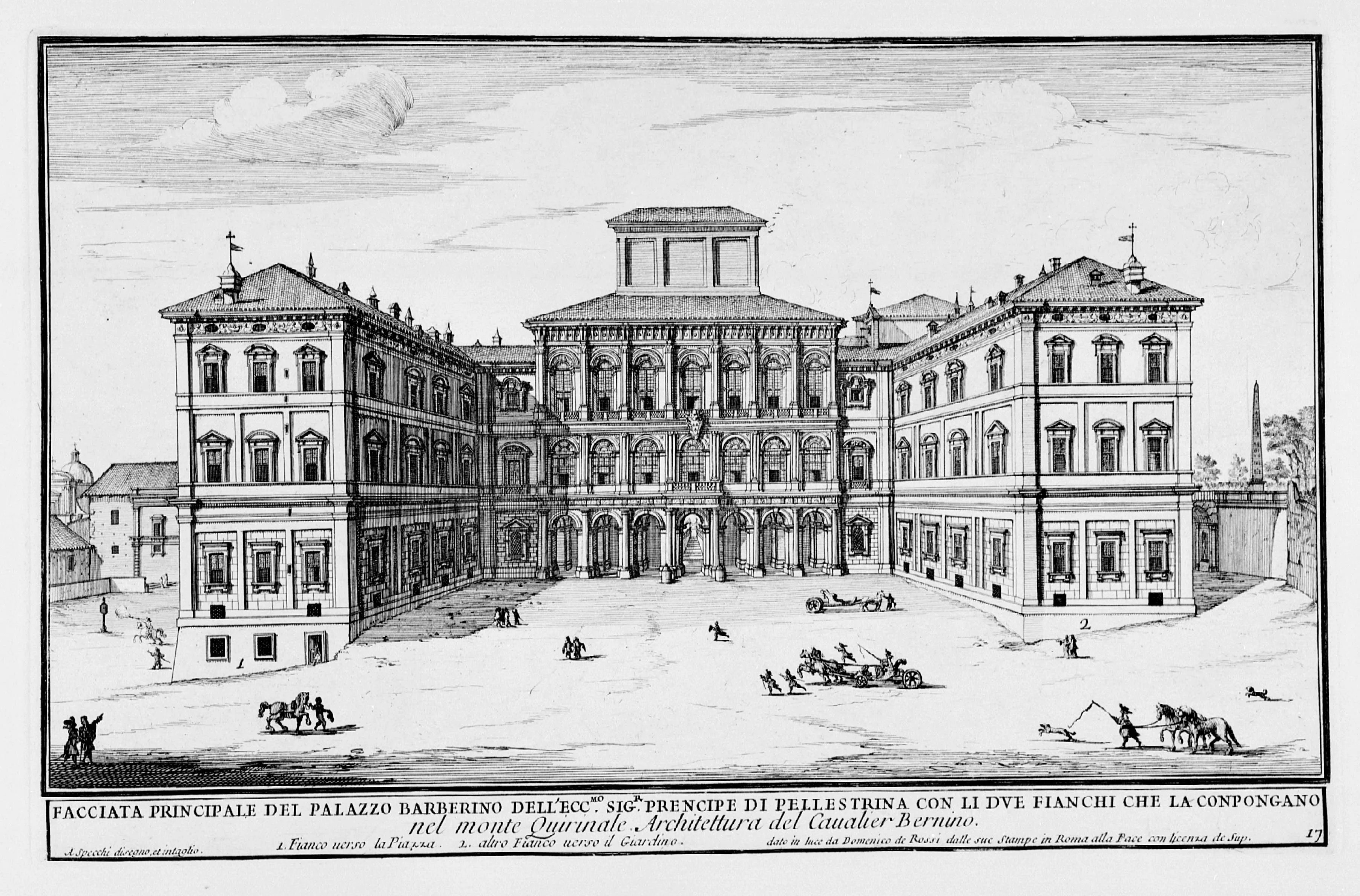
Some buildings are only buildings. Palazzo Barberini is also a document—written in stone, fresco, and institutional reinvention.
Timeline snapshot
| Era | What changed |
|---|---|
| 17th century | Family prestige project and Baroque statement |
| 18th–19th centuries | Collection shifts and changing uses |
| 20th century onward | Public museum framework consolidates |
Narrative arc
The palace begins as an instrument of visibility: lineage, papal proximity, and cultural authority made tangible. Over time, private ambition becomes public inheritance. The transition is never clean; it is negotiated through policy, preservation, and curatorial choice.
Every restored cornice is also a decision about what kind of memory the city keeps.
Three lenses for reading the site
- Political lens: patronage and legitimacy.
- Art-historical lens: style, schools, and collecting taste.
- Civic lens: access, education, and cultural stewardship.
Read the palace as a living institution, not a frozen monument, and its contradictions become its depth.
על המחבר

Rome Art Desk
המדריך הזה נוצר כדי להפוך את פאלאצו ברבריני לנגיש, משמעותי ונוח להנאה עבור כל סוגי המטיילים — ממבקרים בפעם הראשונה ועד חובבי אמנות מושבעים — באמצעות שילוב של עצות פרקטיות עם סיפורים שהופכים את הארמון לבלתי נשכח.
Tags
Comments (0)
Loading comments...