Triumph of Divine Providence Explained - Palazzo Barberini Fresco Guide
Understand Pietro da Cortona's masterpiece with a practical, story-led method: where to stand, what symbols to follow, and what the fresco meant politically.
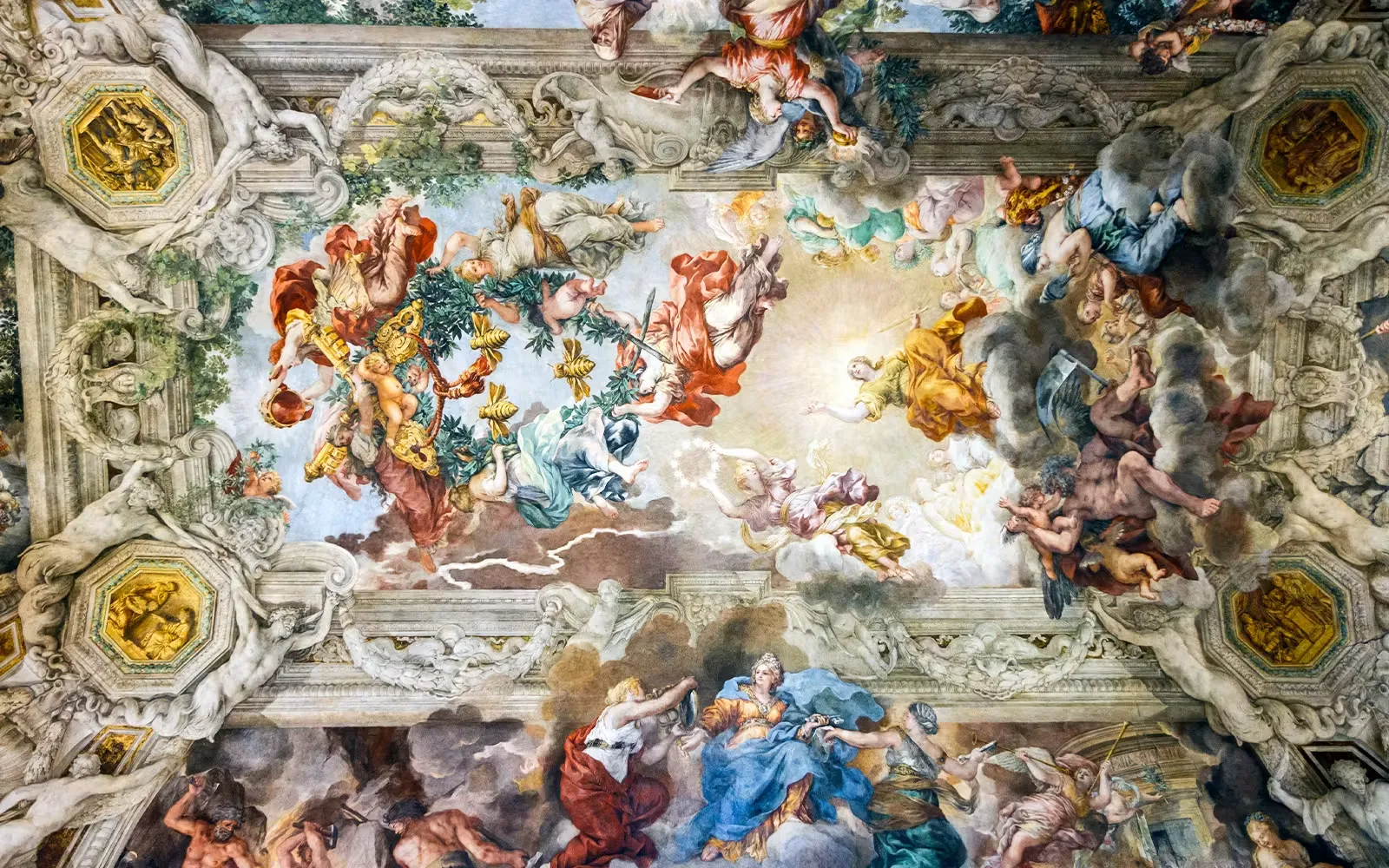
The first mistake visitors make is trying to decode everything at once. The second is not looking long enough. This fresco is not a puzzle box; it is a performance.
Start with movement, not details
Stand still. Let your eyes trace the diagonal currents of bodies, drapery, and light. The painting behaves like orchestral music: themes emerge, swell, and return.
A practical 4-pass method
| Pass | Focus | Time |
|---|---|---|
| 1 | Overall composition | 2 min |
| 2 | Barberini symbols (bees, heraldic cues) | 3 min |
| 3 | Virtues and allegories | 4 min |
| 4 | Political message and emotional effect | 4 min |
Look for this: the painting constantly translates dynastic ambition into cosmic order.
Symbol anchors
- Bees: heraldry as branding before modern branding existed.
- Laurel/crowns: legitimacy and triumph.
- Falling shadows vs. luminous zones: visual morality play.
Tiny glossary
- Allegory: ideas shown as characters.
- Apotheosis: elevation to near-divine status.
- Quadratura: illusionistic architecture expanding real space.
Advanced tip for repeat visitors
Try viewing once from the room edge and once from near center. The narrative hierarchy changes with your position.
In the end, the fresco works because it fuses ideology and exhilaration. You do not just understand it—you feel it moving above you.
Sobre el autor

Rome Art Desk
Esta guía se creó para acercar el Palazzo Barberini a todo tipo de viajero, desde quien entra por primera vez en un museo barroco hasta quien busca una lectura más profunda. El objetivo es unir consejos prácticos con contexto histórico y sensibilidad narrativa, para que la visita no sea solo bonita, sino verdaderamente significativa. Porque en un lugar así, cada sala cuenta algo más que una fecha: habla de poder, de símbolos, de ciudad y de memoria.
Tags
Comments (0)
Loading comments...