Where Baroque Rome still speaks in color and stone
At Palazzo Barberini, every ceiling, staircase, and canvas carries a chapter of the city’s grand historical narrative.
Table of Contents
A family rises: the Barberini in papal Rome
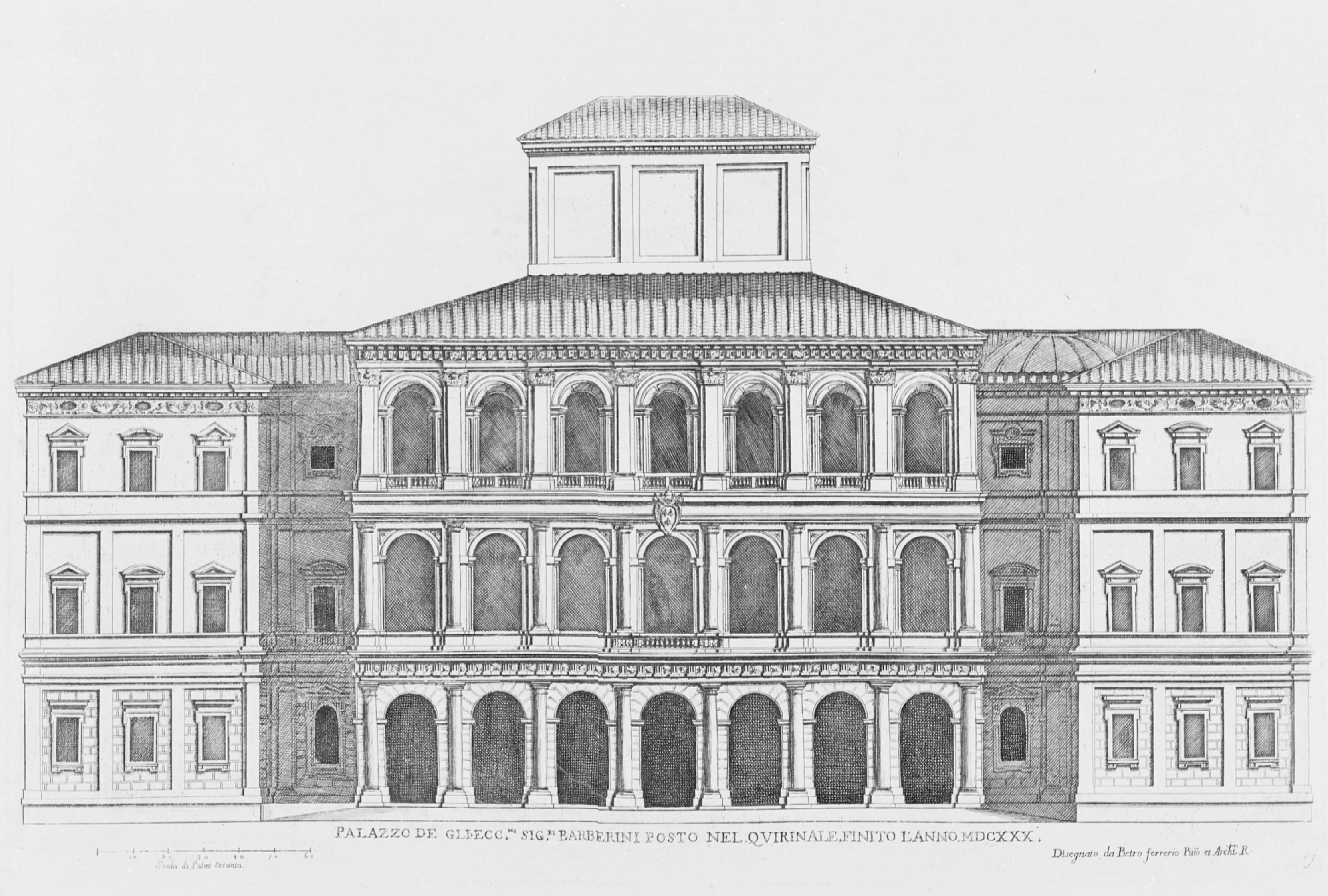
To understand Palazzo Barberini, it helps to begin with the extraordinary ascent of the Barberini family in seventeenth-century Rome. Their rise was not simply economic or social; it was deeply intertwined with the religious and political machinery of the Papal States. When Maffeo Barberini became Pope Urban VIII in 1623, the family entered a phase of exceptional influence. In Baroque Rome, architecture was never just architecture—it was message, prestige, and strategy. A palace of this scale signaled not only wealth, but a deliberate claim to permanence in the city’s memory.
The palace therefore emerged as a stage where personal ambition and public symbolism met. Every formal room, every façade line, and every decorative choice communicated that the Barberini name belonged at the center of Roman life. Yet what makes this story compelling today is that the same spaces once reserved for elite circles now welcome visitors from around the world. The building has moved from private authority to shared cultural heritage, and that transformation is one of its most meaningful historical layers.
Designing magnificence: architecture and urban theater
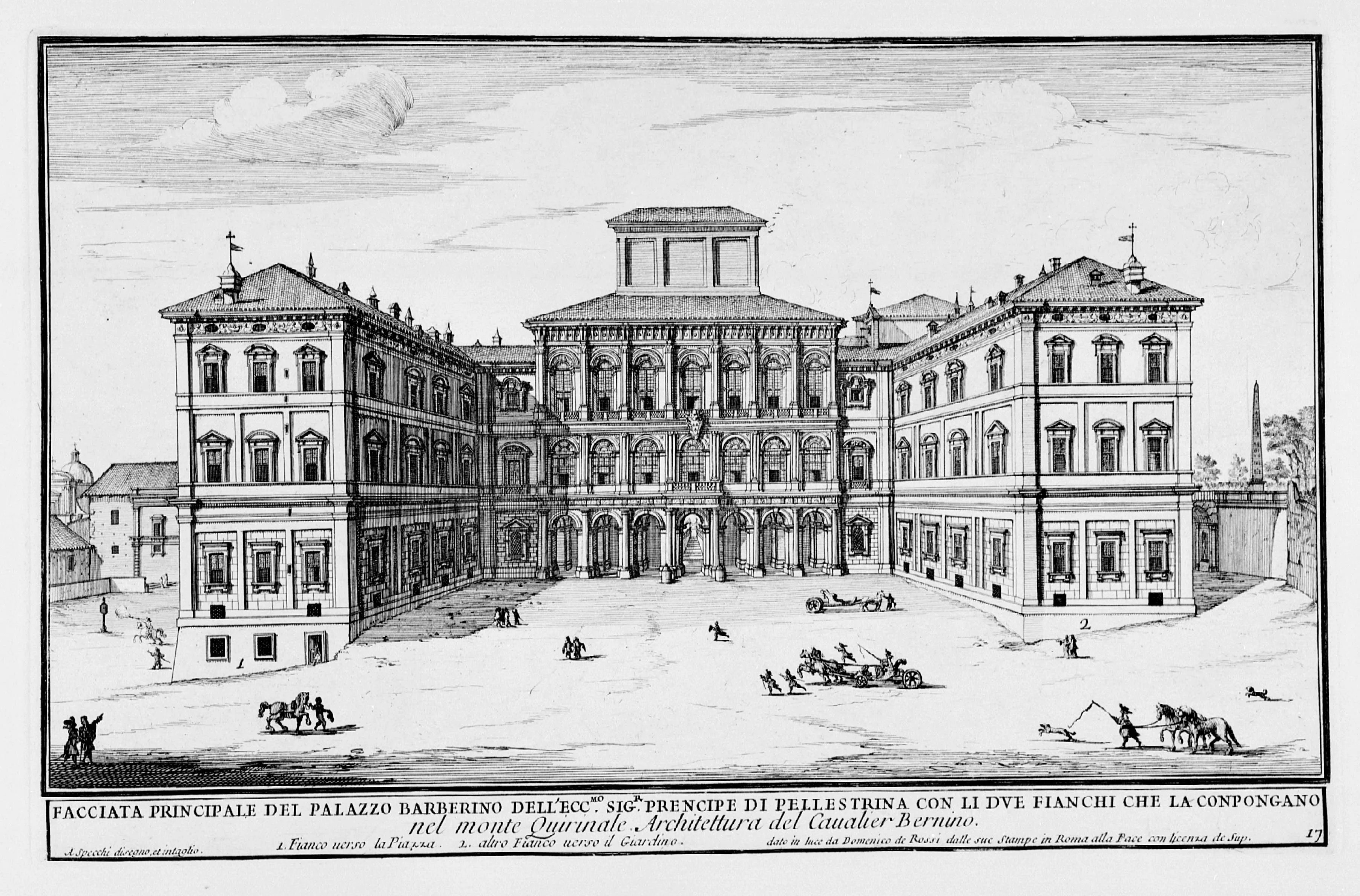
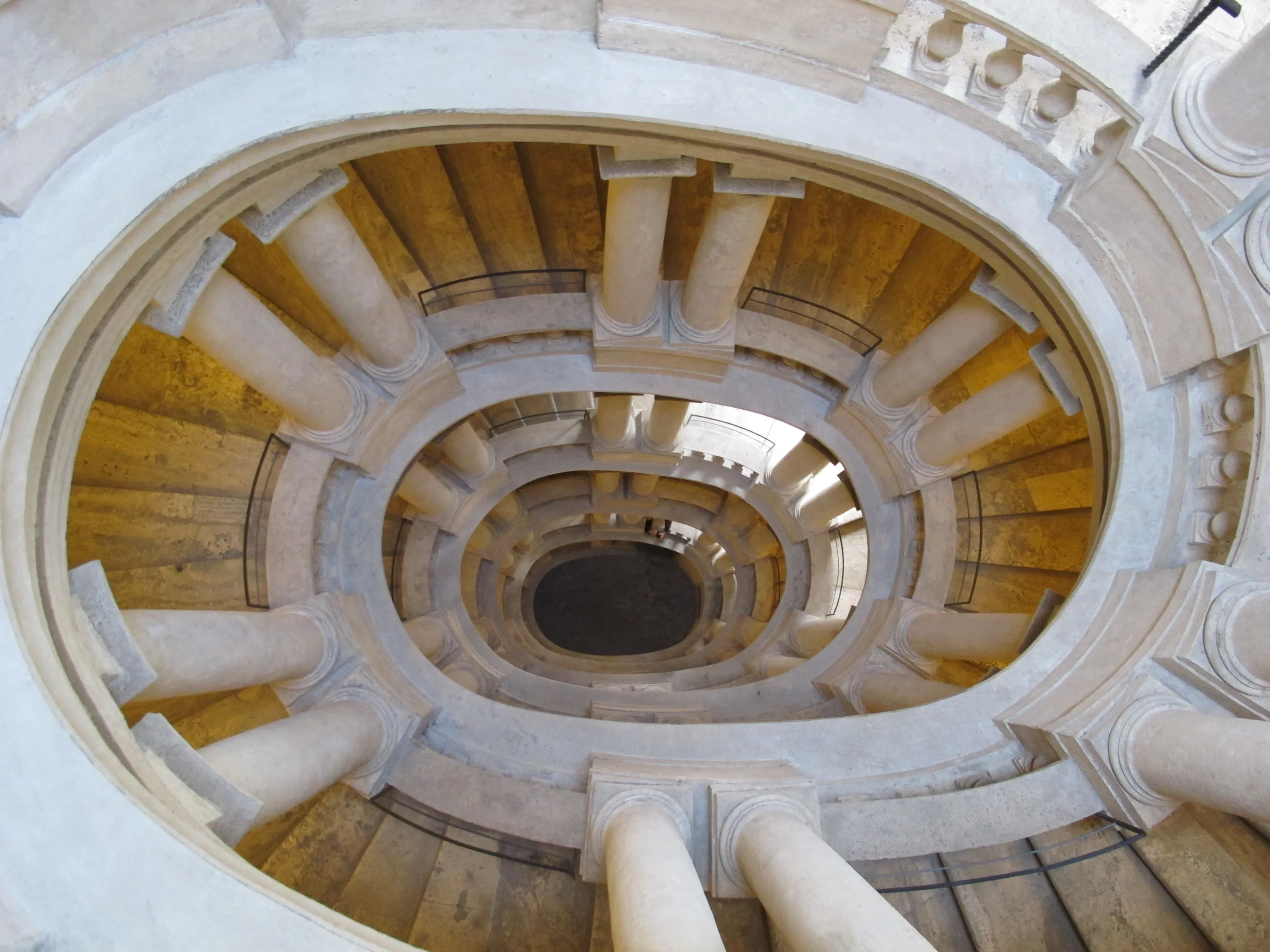
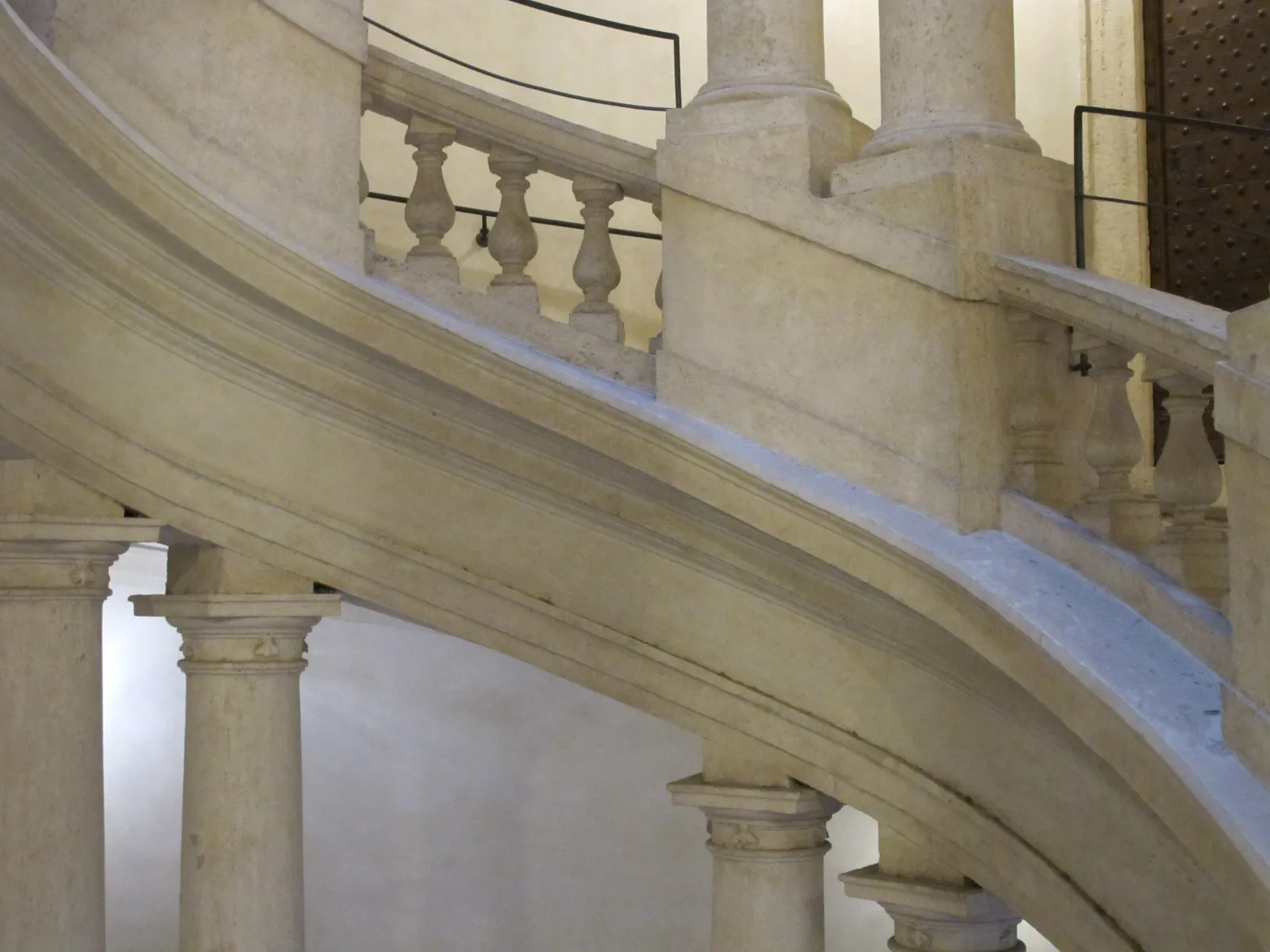
Palazzo Barberini is often described as a masterpiece of Baroque architecture, and for good reason. Its design involved some of the greatest creative minds of the period, including Carlo Maderno, Gian Lorenzo Bernini, and Francesco Borromini. Their contributions did not produce a static monument but a dynamic sequence of spaces that guide the eye and the body in carefully choreographed ways. The palace opens itself gradually: courtyard, staircases, salons, and galleries unfold like scenes in a theatrical production.
This dramatic spatial rhythm was intentional. Baroque architecture sought to persuade through movement, surprise, and emotional impact. At Palazzo Barberini, geometry and spectacle work together, creating a sense of ceremonial progression from one environment to another. Even visitors with little architectural background can feel this effect instinctively: the building invites you forward, then pauses you in moments of wonder. It is as if stone, light, and proportion are speaking a language that remains intelligible centuries later.
The palace as political language
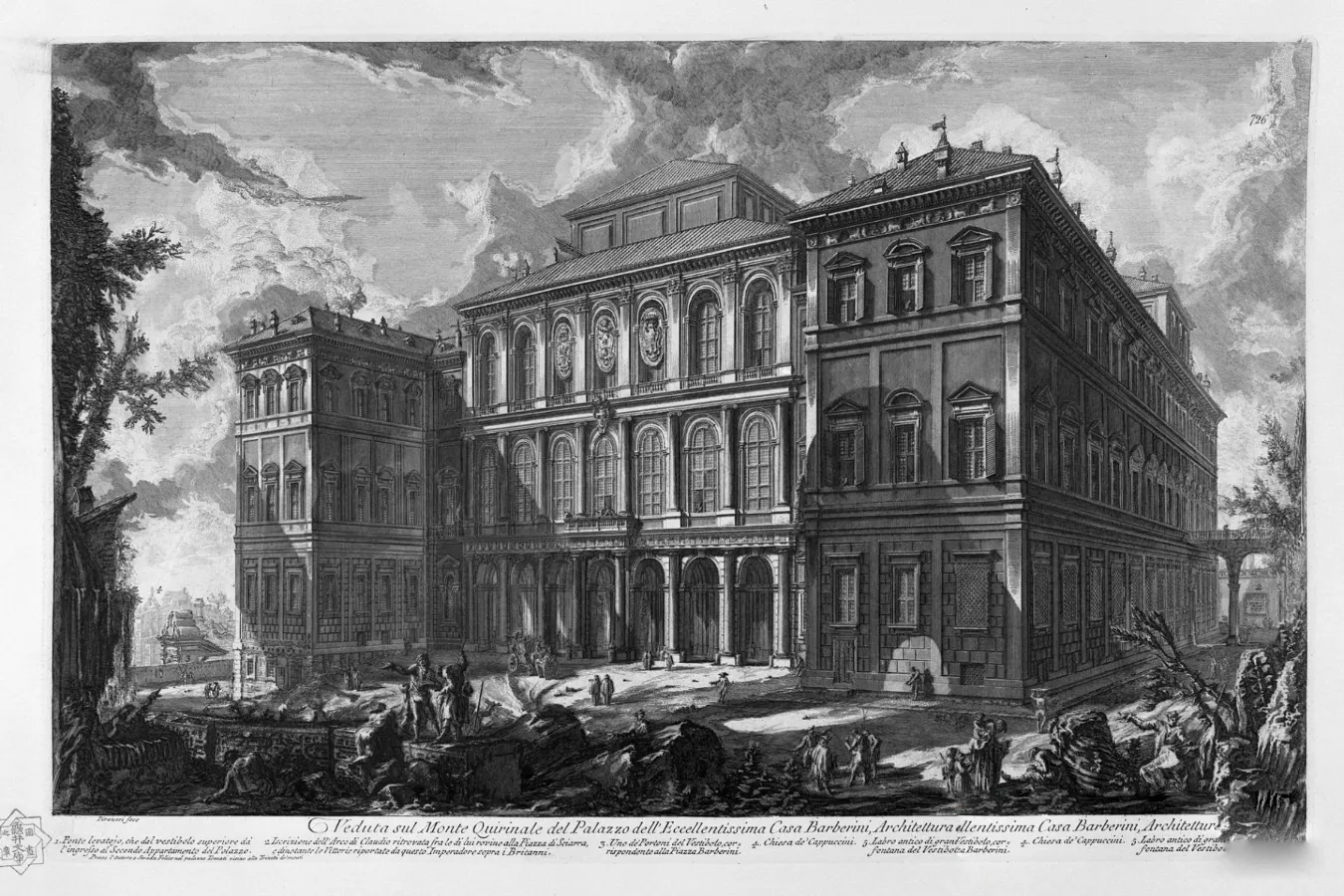
In Baroque Rome, visual culture was deeply political. Palaces, churches, altarpieces, and urban perspectives all helped shape public imagination. Palazzo Barberini functioned as a diplomatic and symbolic instrument: a place to receive influential guests, demonstrate cultivated taste, and reinforce the family’s legitimacy in a competitive environment of Roman aristocratic power.
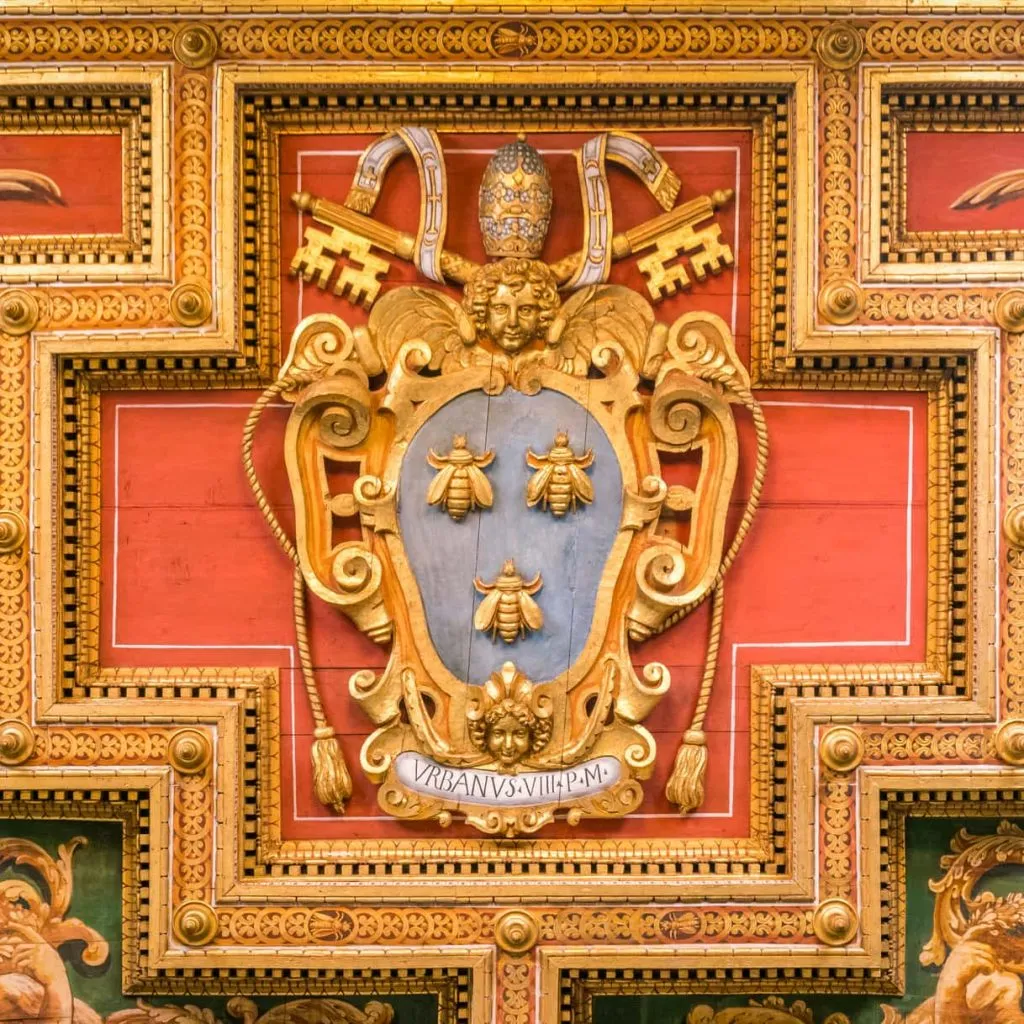
Coats of arms, allegorical programs, and carefully selected artworks contributed to this message. Nothing felt random. The palace communicated continuity between civic authority, religious devotion, and classical tradition. Today, when we walk these rooms as museum visitors, we are not only looking at beautiful art; we are reading a sophisticated visual script about how power wished to be seen, remembered, and justified.
Pietro da Cortona and the sky of the Salone
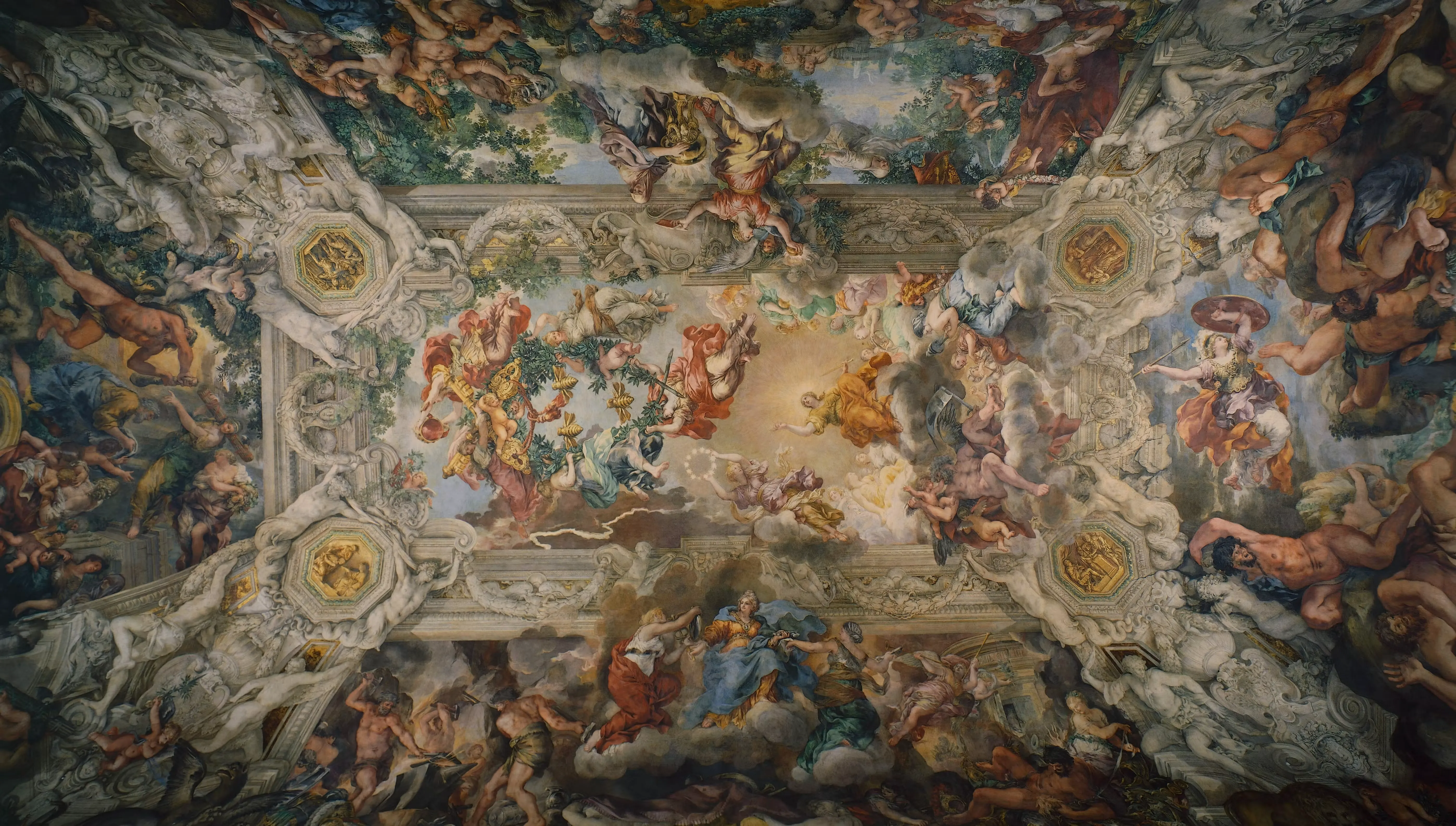
The ceiling fresco in the grand Salone, often known as the Triumph of Divine Providence, remains the emotional and intellectual climax of a visit. Pietro da Cortona transformed a flat ceiling into an immersive cosmos of figures, movement, and symbolism. The work blurs boundaries between painted illusion and architectural reality so effectively that visitors often spend long minutes simply looking upward, tracing the visual currents from one allegorical cluster to another.
Beyond its technical brilliance, the fresco is a manifesto. It celebrates providence, virtue, and the historical destiny associated with Barberini patronage. Clouds open, personifications unfold, and the entire composition seems to rotate with controlled energy. Even if one does not decode every symbol, the message of grandeur is unmistakable. It is one of those rare artworks where historical context deepens appreciation, yet immediate emotional impact is already overwhelming.
Caravaggio and the language of light
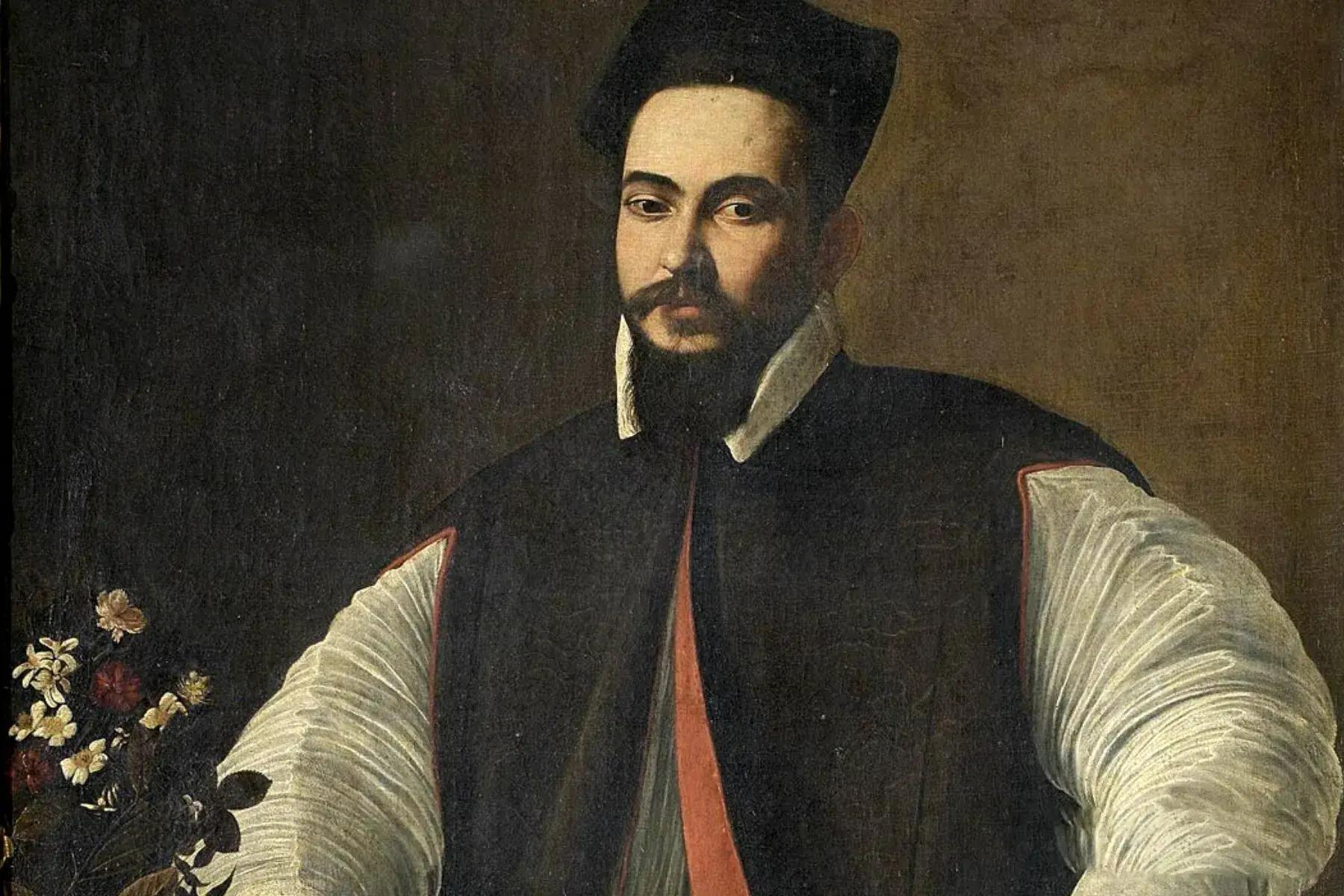
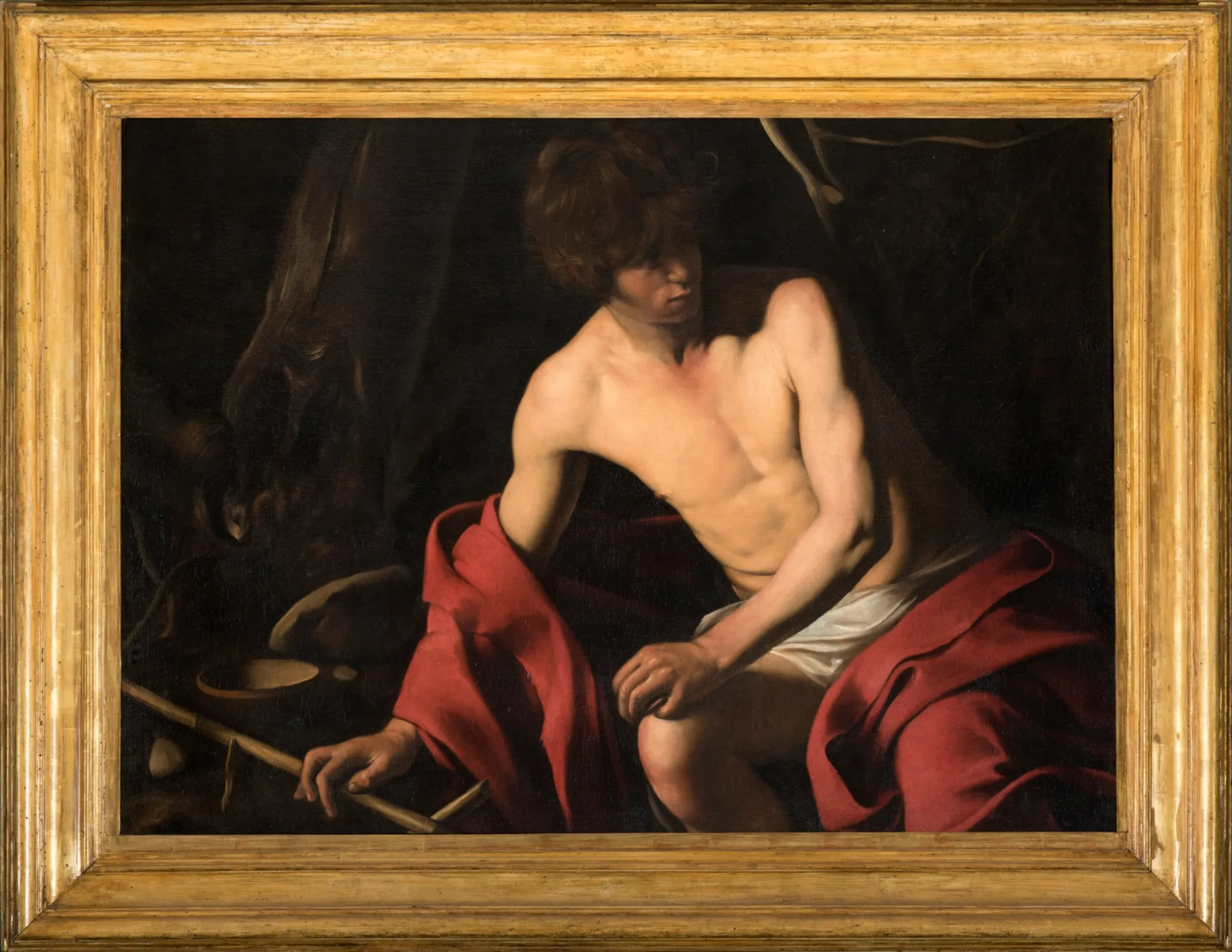
Among the paintings housed at Palazzo Barberini, Caravaggio stands out for his radical visual honesty. His figures do not float in idealized serenity; they occupy tense, fragile moments where light reveals texture, doubt, and humanity. Faces emerge from shadow with startling intimacy, and gestures carry psychological weight that still feels contemporary.
Placed in dialogue with other masters of the collection, Caravaggio helps visitors understand how revolutionary his approach was. The palace becomes a classroom of contrasts: grace and drama, harmony and disruption, ideal beauty and raw experience. This encounter is one reason the museum resonates with both specialists and casual visitors—the art feels historically important, but also deeply alive.
Rooms, rituals, and aristocratic daily life
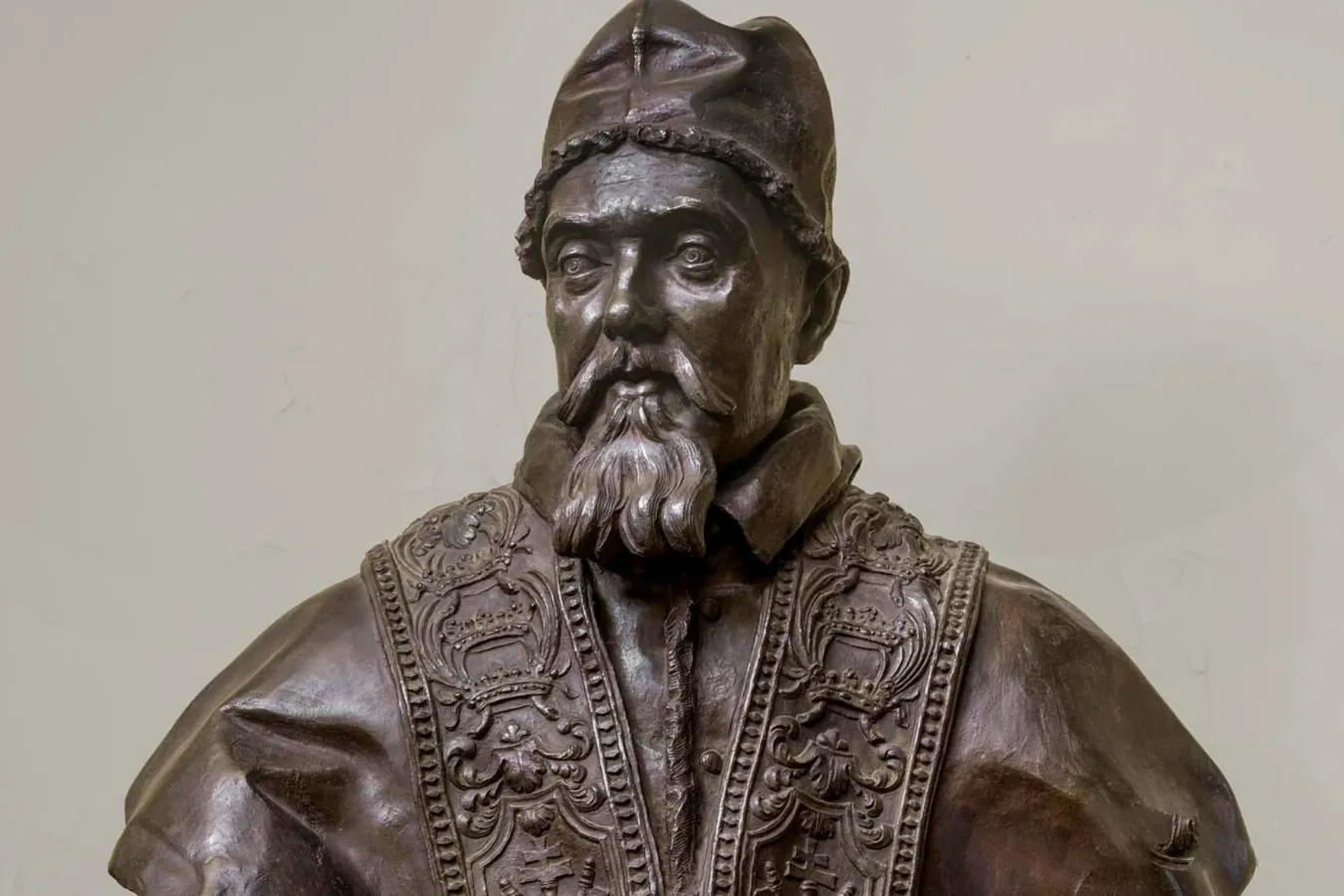
It is easy to focus only on famous names, yet Palazzo Barberini also offers clues about everyday elite life in early modern Rome. Reception rooms, circulation routes, and decorative hierarchies reveal how status was performed in practice: who entered where, who waited, who was received with ceremony, and who remained in peripheral spaces.
These patterns remind us that palaces were living organisms, not static shells. They hosted negotiations, celebrations, artistic commissions, and personal routines. Reading the palace in this way turns a museum visit into social history. You begin to imagine voices, footsteps, fabrics, protocols, and emotions that once animated the same corridors now filled with quiet visitors and measured museum light.
From noble residence to public heritage
Over time, Palazzo Barberini shifted from private aristocratic residence to public cultural institution. This transition did not happen overnight; it involved legal, administrative, and museological transformations shaped by changing ideas about national heritage and public access to art.
What once served dynastic representation now serves education, research, and shared memory. The same walls that once separated privilege now welcome broad audiences, including students, families, scholars, and international travelers. This democratic re-use of historic space is one of the museum’s most powerful achievements.
War, memory, and conservation challenges
Like many European heritage sites, Palazzo Barberini has faced periods of instability, institutional change, and conservation pressure. Protecting art and architecture across centuries means continuous care: climate control, restoration ethics, structural monitoring, and thoughtful display design.
Conservation is often invisible when done well, yet it is central to your experience as a visitor. The clarity of a varnished surface, the stability of a frescoed ceiling, and the legibility of decorative details all depend on patient interdisciplinary work. In that sense, every visit is also an encounter with the present-day professionals who keep the past readable.
A museum in dialogue with modern Rome
Palazzo Barberini does not exist in isolation; it is in constant dialogue with contemporary Rome. Outside its walls, traffic, tourism, and urban life move quickly. Inside, time seems to stretch, and visitors are invited to slow down, compare eras, and look carefully.
This contrast gives the museum particular relevance today. It offers a space where historical complexity can be experienced rather than abstractly discussed. You leave with a sharper sense of how past ambitions still shape present identities, streetscapes, and cultural expectations in the city.
How to read Baroque symbolism today
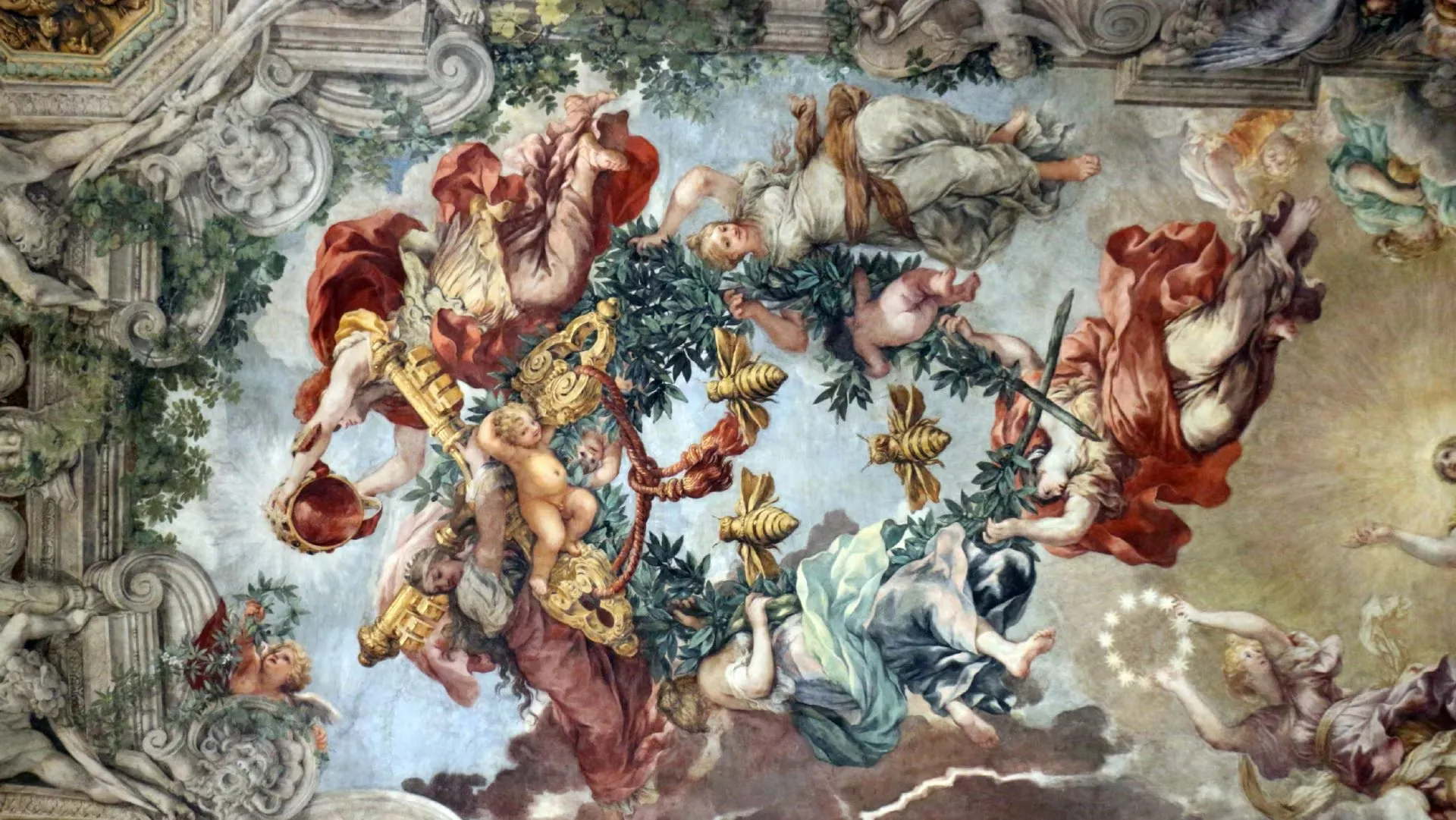
Baroque imagery can appear dense at first glance, full of mythological figures, emblems, and coded references. A practical strategy is to read in layers: first observe color and movement, then identify repeated motifs, and finally connect them to themes such as virtue, authority, faith, or glory.
This method transforms complexity into discovery. Instead of feeling excluded by symbolism, you begin to see how artists guided viewers through visual clues. Palazzo Barberini is ideal for this process because the palace context reinforces the paintings’ messages, allowing architecture and iconography to illuminate each other.
Women, patrons, and overlooked voices
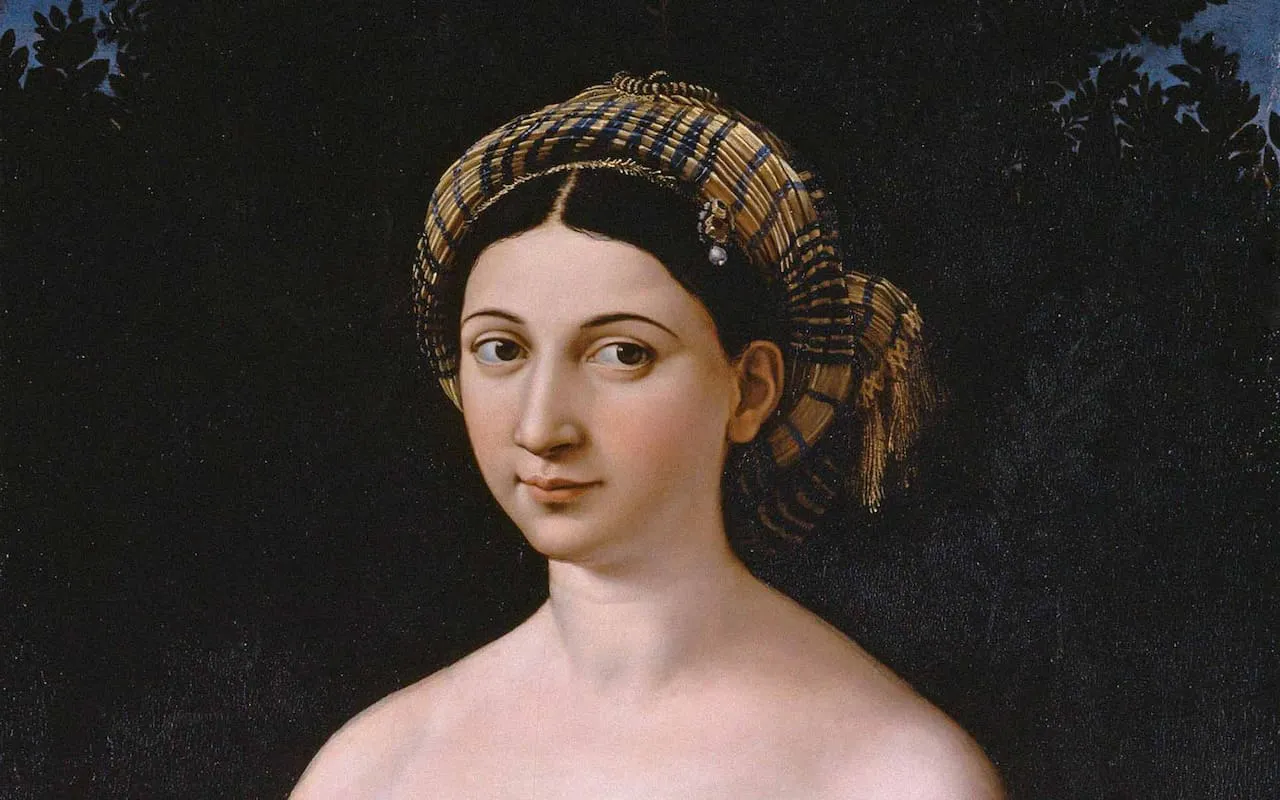
Traditional narratives about Baroque Rome often center on male patrons and artists, yet women played significant roles in dynastic strategy, patronage choices, household culture, and intellectual networks. Portraiture, correspondence, and collection histories can reveal these less visible contributions.
Approaching the museum with this broader lens enriches the visit. You begin to ask not only who painted a work, but also who commissioned it, who lived with it, who interpreted it, and whose stories were later minimized. Palazzo Barberini becomes a place where art history expands into social history and where silent gaps invite thoughtful attention.
Neighboring itineraries for a full cultural day
Because of its central location, Palazzo Barberini pairs beautifully with nearby walks through Rome’s historic core. You can combine your museum visit with Trevi Fountain, Piazza di Spagna, the Quirinale area, or Via Veneto, creating a day that alternates interior masterpieces with open-air urban heritage.
This rhythm often improves the overall experience: focused gallery time followed by short city walks, then another cultural stop. It keeps your attention fresh and allows you to absorb what you have seen. Rome rewards this slower cadence, and Palazzo Barberini is an excellent anchor for it.
Why Palazzo Barberini still matters
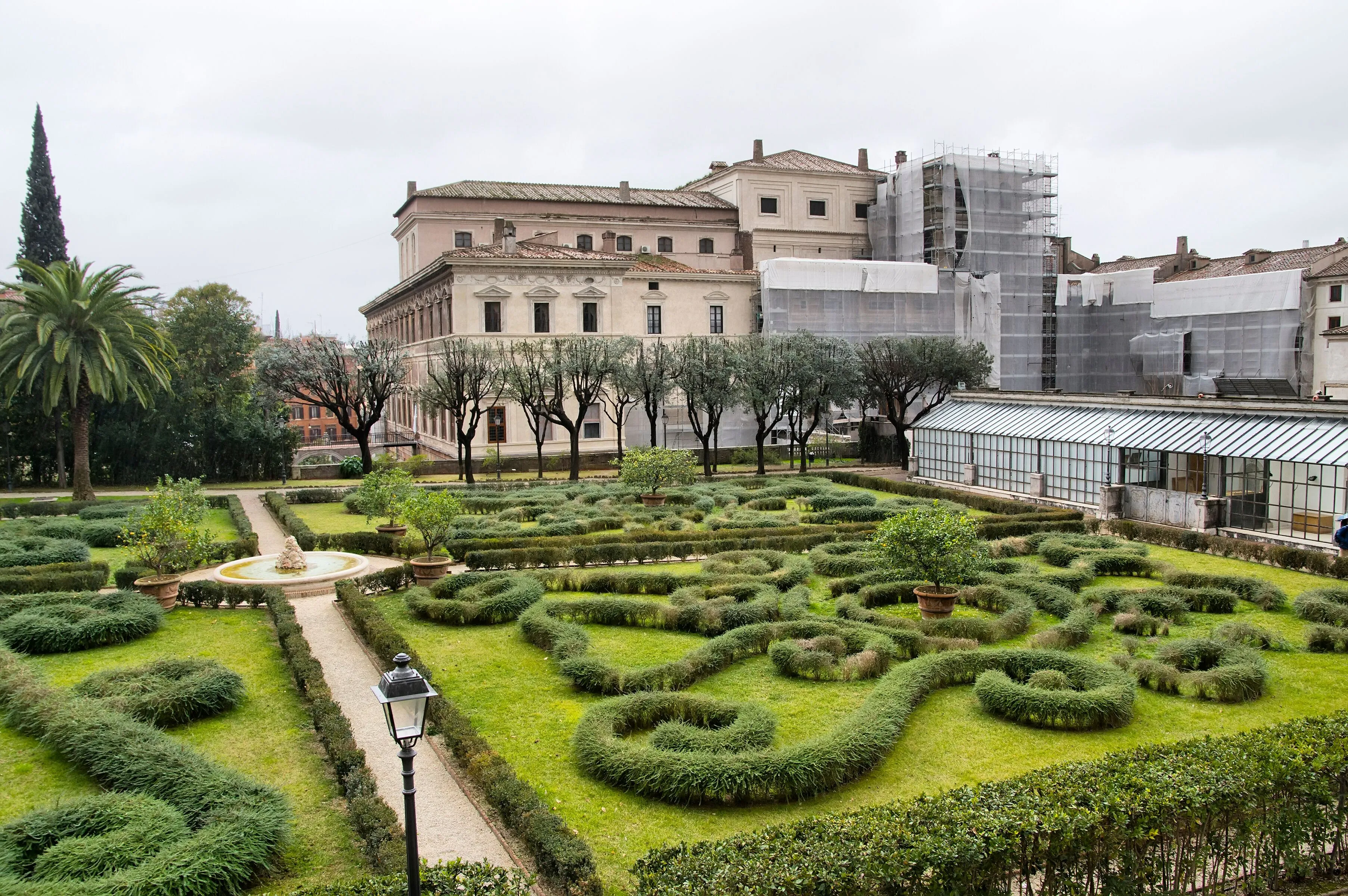
Palazzo Barberini matters because it shows, in one coherent place, how art, architecture, and politics can fuse into a durable cultural language. It is not just a container of masterpieces; it is itself a historical argument about representation, memory, and the uses of beauty.
For contemporary visitors, the palace offers more than admiration. It invites reflection on how images shape belief, how institutions preserve identity, and how cities continuously reinterpret their past. In that sense, a visit to Palazzo Barberini is both a journey into Baroque Rome and a conversation with the present.
Table of Contents
A family rises: the Barberini in papal Rome
To understand Palazzo Barberini, it helps to begin with the extraordinary ascent of the Barberini family in seventeenth-century Rome. Their rise was not simply economic or social; it was deeply intertwined with the religious and political machinery of the Papal States. When Maffeo Barberini became Pope Urban VIII in 1623, the family entered a phase of exceptional influence. In Baroque Rome, architecture was never just architecture—it was message, prestige, and strategy. A palace of this scale signaled not only wealth, but a deliberate claim to permanence in the city’s memory.
The palace therefore emerged as a stage where personal ambition and public symbolism met. Every formal room, every façade line, and every decorative choice communicated that the Barberini name belonged at the center of Roman life. Yet what makes this story compelling today is that the same spaces once reserved for elite circles now welcome visitors from around the world. The building has moved from private authority to shared cultural heritage, and that transformation is one of its most meaningful historical layers.
Designing magnificence: architecture and urban theater
Palazzo Barberini is often described as a masterpiece of Baroque architecture, and for good reason. Its design involved some of the greatest creative minds of the period, including Carlo Maderno, Gian Lorenzo Bernini, and Francesco Borromini. Their contributions did not produce a static monument but a dynamic sequence of spaces that guide the eye and the body in carefully choreographed ways. The palace opens itself gradually: courtyard, staircases, salons, and galleries unfold like scenes in a theatrical production.
This dramatic spatial rhythm was intentional. Baroque architecture sought to persuade through movement, surprise, and emotional impact. At Palazzo Barberini, geometry and spectacle work together, creating a sense of ceremonial progression from one environment to another. Even visitors with little architectural background can feel this effect instinctively: the building invites you forward, then pauses you in moments of wonder. It is as if stone, light, and proportion are speaking a language that remains intelligible centuries later.
The palace as political language
In Baroque Rome, visual culture was deeply political. Palaces, churches, altarpieces, and urban perspectives all helped shape public imagination. Palazzo Barberini functioned as a diplomatic and symbolic instrument: a place to receive influential guests, demonstrate cultivated taste, and reinforce the family’s legitimacy in a competitive environment of Roman aristocratic power.
Coats of arms, allegorical programs, and carefully selected artworks contributed to this message. Nothing felt random. The palace communicated continuity between civic authority, religious devotion, and classical tradition. Today, when we walk these rooms as museum visitors, we are not only looking at beautiful art; we are reading a sophisticated visual script about how power wished to be seen, remembered, and justified.
Pietro da Cortona and the sky of the Salone
The ceiling fresco in the grand Salone, often known as the Triumph of Divine Providence, remains the emotional and intellectual climax of a visit. Pietro da Cortona transformed a flat ceiling into an immersive cosmos of figures, movement, and symbolism. The work blurs boundaries between painted illusion and architectural reality so effectively that visitors often spend long minutes simply looking upward, tracing the visual currents from one allegorical cluster to another.
Beyond its technical brilliance, the fresco is a manifesto. It celebrates providence, virtue, and the historical destiny associated with Barberini patronage. Clouds open, personifications unfold, and the entire composition seems to rotate with controlled energy. Even if one does not decode every symbol, the message of grandeur is unmistakable. It is one of those rare artworks where historical context deepens appreciation, yet immediate emotional impact is already overwhelming.
Caravaggio and the language of light
Among the paintings housed at Palazzo Barberini, Caravaggio stands out for his radical visual honesty. His figures do not float in idealized serenity; they occupy tense, fragile moments where light reveals texture, doubt, and humanity. Faces emerge from shadow with startling intimacy, and gestures carry psychological weight that still feels contemporary.
Placed in dialogue with other masters of the collection, Caravaggio helps visitors understand how revolutionary his approach was. The palace becomes a classroom of contrasts: grace and drama, harmony and disruption, ideal beauty and raw experience. This encounter is one reason the museum resonates with both specialists and casual visitors—the art feels historically important, but also deeply alive.
Rooms, rituals, and aristocratic daily life
It is easy to focus only on famous names, yet Palazzo Barberini also offers clues about everyday elite life in early modern Rome. Reception rooms, circulation routes, and decorative hierarchies reveal how status was performed in practice: who entered where, who waited, who was received with ceremony, and who remained in peripheral spaces.
These patterns remind us that palaces were living organisms, not static shells. They hosted negotiations, celebrations, artistic commissions, and personal routines. Reading the palace in this way turns a museum visit into social history. You begin to imagine voices, footsteps, fabrics, protocols, and emotions that once animated the same corridors now filled with quiet visitors and measured museum light.
From noble residence to public heritage
Over time, Palazzo Barberini shifted from private aristocratic residence to public cultural institution. This transition did not happen overnight; it involved legal, administrative, and museological transformations shaped by changing ideas about national heritage and public access to art.
What once served dynastic representation now serves education, research, and shared memory. The same walls that once separated privilege now welcome broad audiences, including students, families, scholars, and international travelers. This democratic re-use of historic space is one of the museum’s most powerful achievements.
War, memory, and conservation challenges
Like many European heritage sites, Palazzo Barberini has faced periods of instability, institutional change, and conservation pressure. Protecting art and architecture across centuries means continuous care: climate control, restoration ethics, structural monitoring, and thoughtful display design.
Conservation is often invisible when done well, yet it is central to your experience as a visitor. The clarity of a varnished surface, the stability of a frescoed ceiling, and the legibility of decorative details all depend on patient interdisciplinary work. In that sense, every visit is also an encounter with the present-day professionals who keep the past readable.
A museum in dialogue with modern Rome
Palazzo Barberini does not exist in isolation; it is in constant dialogue with contemporary Rome. Outside its walls, traffic, tourism, and urban life move quickly. Inside, time seems to stretch, and visitors are invited to slow down, compare eras, and look carefully.
This contrast gives the museum particular relevance today. It offers a space where historical complexity can be experienced rather than abstractly discussed. You leave with a sharper sense of how past ambitions still shape present identities, streetscapes, and cultural expectations in the city.
How to read Baroque symbolism today
Baroque imagery can appear dense at first glance, full of mythological figures, emblems, and coded references. A practical strategy is to read in layers: first observe color and movement, then identify repeated motifs, and finally connect them to themes such as virtue, authority, faith, or glory.
This method transforms complexity into discovery. Instead of feeling excluded by symbolism, you begin to see how artists guided viewers through visual clues. Palazzo Barberini is ideal for this process because the palace context reinforces the paintings’ messages, allowing architecture and iconography to illuminate each other.
Women, patrons, and overlooked voices
Traditional narratives about Baroque Rome often center on male patrons and artists, yet women played significant roles in dynastic strategy, patronage choices, household culture, and intellectual networks. Portraiture, correspondence, and collection histories can reveal these less visible contributions.
Approaching the museum with this broader lens enriches the visit. You begin to ask not only who painted a work, but also who commissioned it, who lived with it, who interpreted it, and whose stories were later minimized. Palazzo Barberini becomes a place where art history expands into social history and where silent gaps invite thoughtful attention.
Neighboring itineraries for a full cultural day
Because of its central location, Palazzo Barberini pairs beautifully with nearby walks through Rome’s historic core. You can combine your museum visit with Trevi Fountain, Piazza di Spagna, the Quirinale area, or Via Veneto, creating a day that alternates interior masterpieces with open-air urban heritage.
This rhythm often improves the overall experience: focused gallery time followed by short city walks, then another cultural stop. It keeps your attention fresh and allows you to absorb what you have seen. Rome rewards this slower cadence, and Palazzo Barberini is an excellent anchor for it.
Why Palazzo Barberini still matters
Palazzo Barberini matters because it shows, in one coherent place, how art, architecture, and politics can fuse into a durable cultural language. It is not just a container of masterpieces; it is itself a historical argument about representation, memory, and the uses of beauty.
For contemporary visitors, the palace offers more than admiration. It invites reflection on how images shape belief, how institutions preserve identity, and how cities continuously reinterpret their past. In that sense, a visit to Palazzo Barberini is both a journey into Baroque Rome and a conversation with the present.