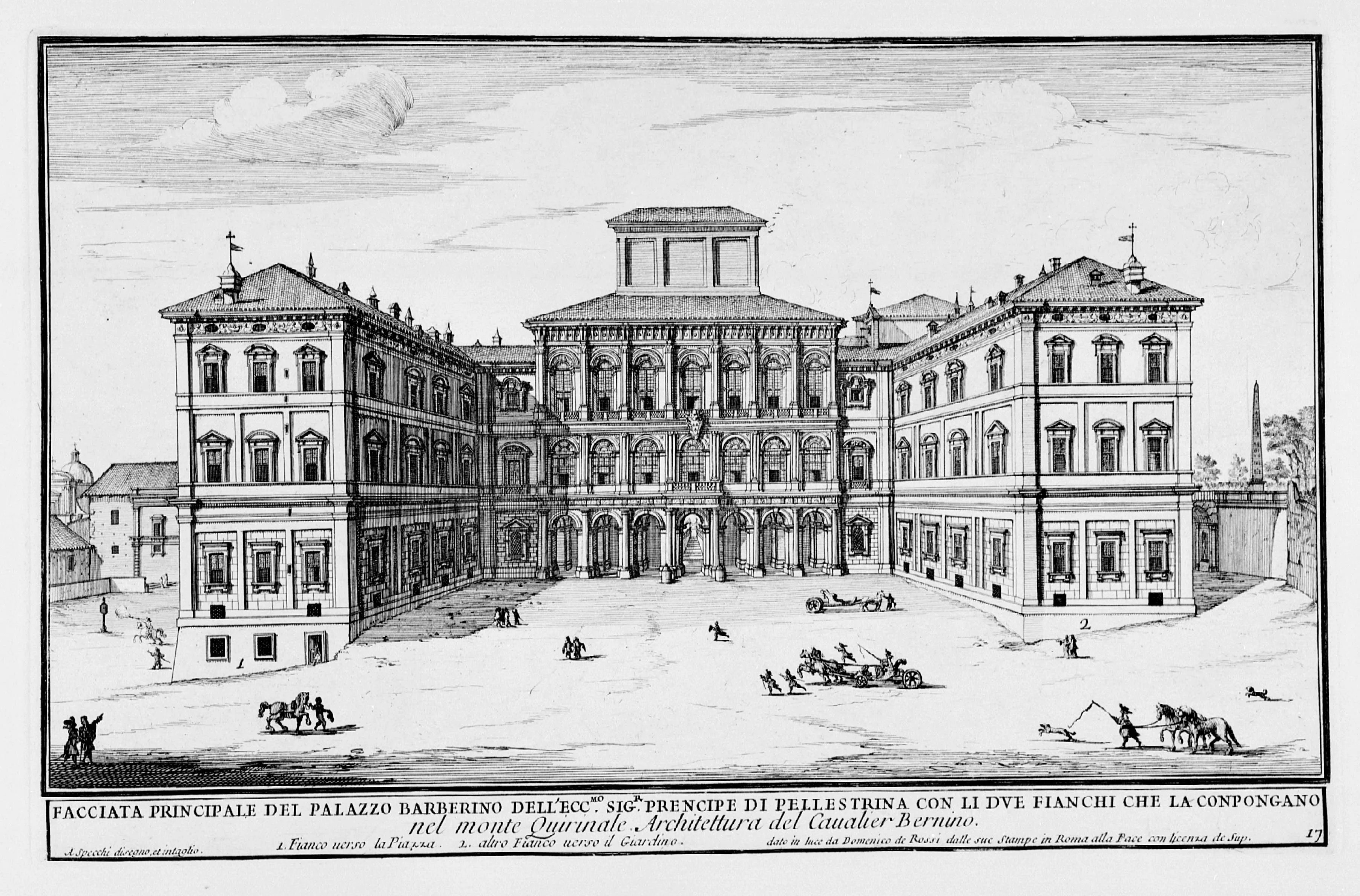
Palazzo Barberini Through Time: From Family Ambition to National Gallery
A narrative timeline of Palazzo Barberini, the Barberini family, and the palace's transformation into a public institution.
→
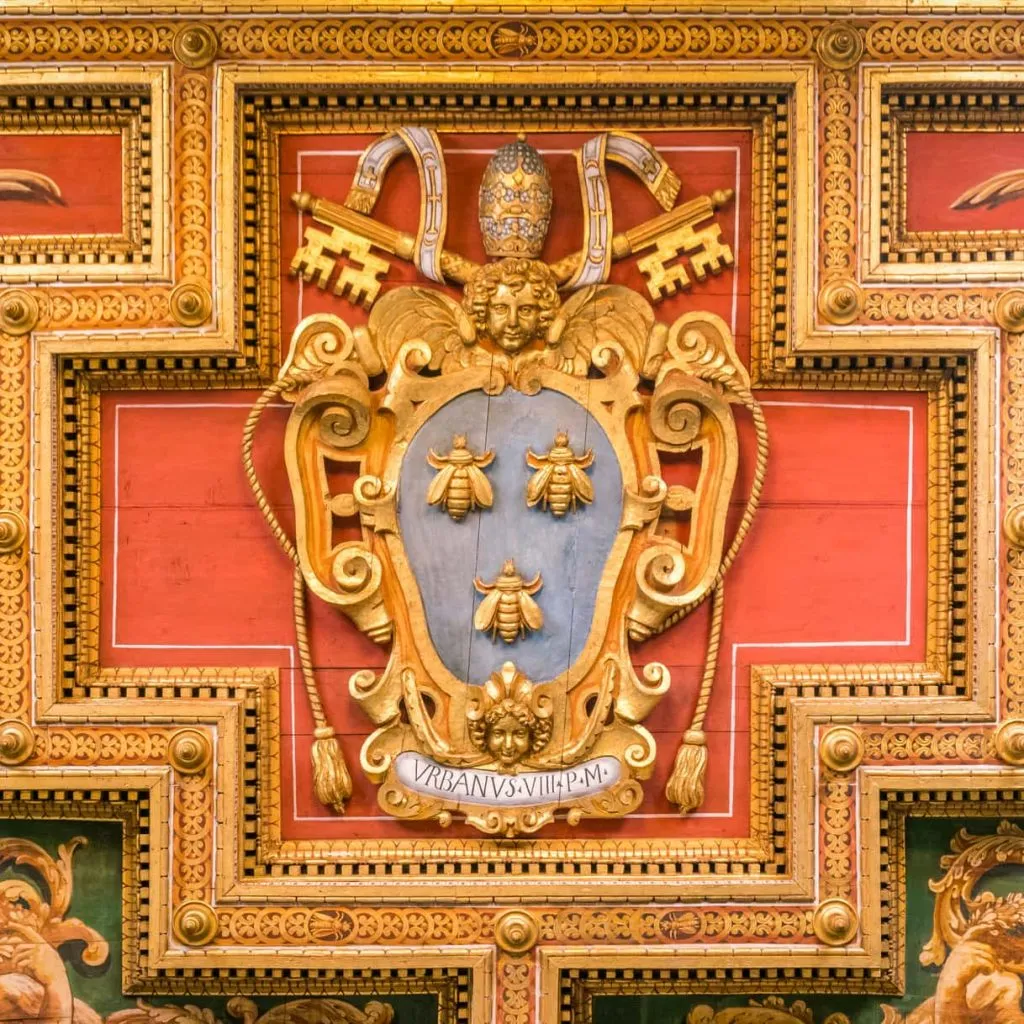
The Barberini Bees: A Symbol Trail You Can Follow Room by Room
Track the famous Barberini bees across architecture and decoration to understand branding, power, and visual identity in Baroque Rome.
→
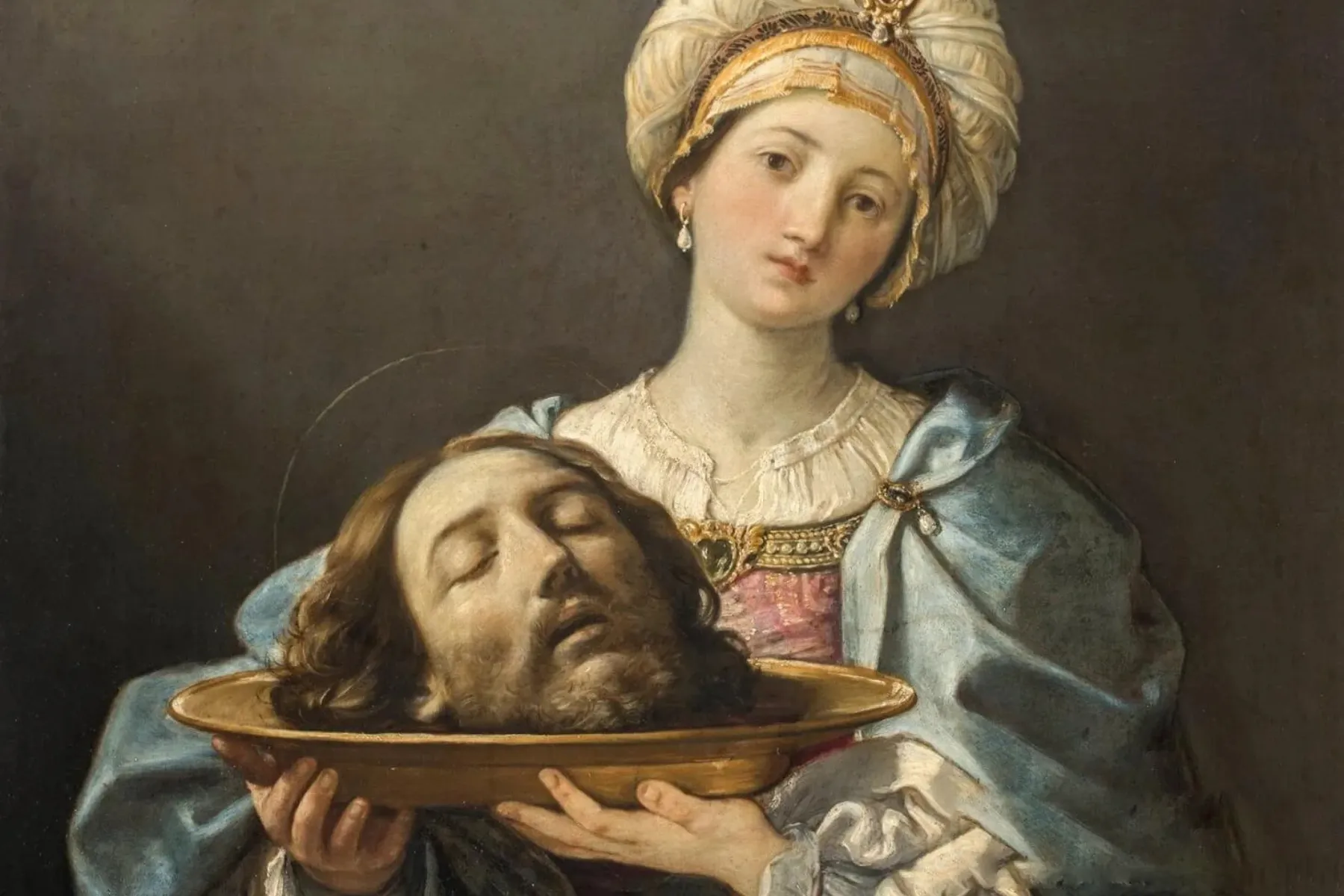
Women, Patronage, and Presence: Reading What Is Visible (and Missing)
A contextual narrative about women as subjects, patrons, and historical absences in early modern collections.
→
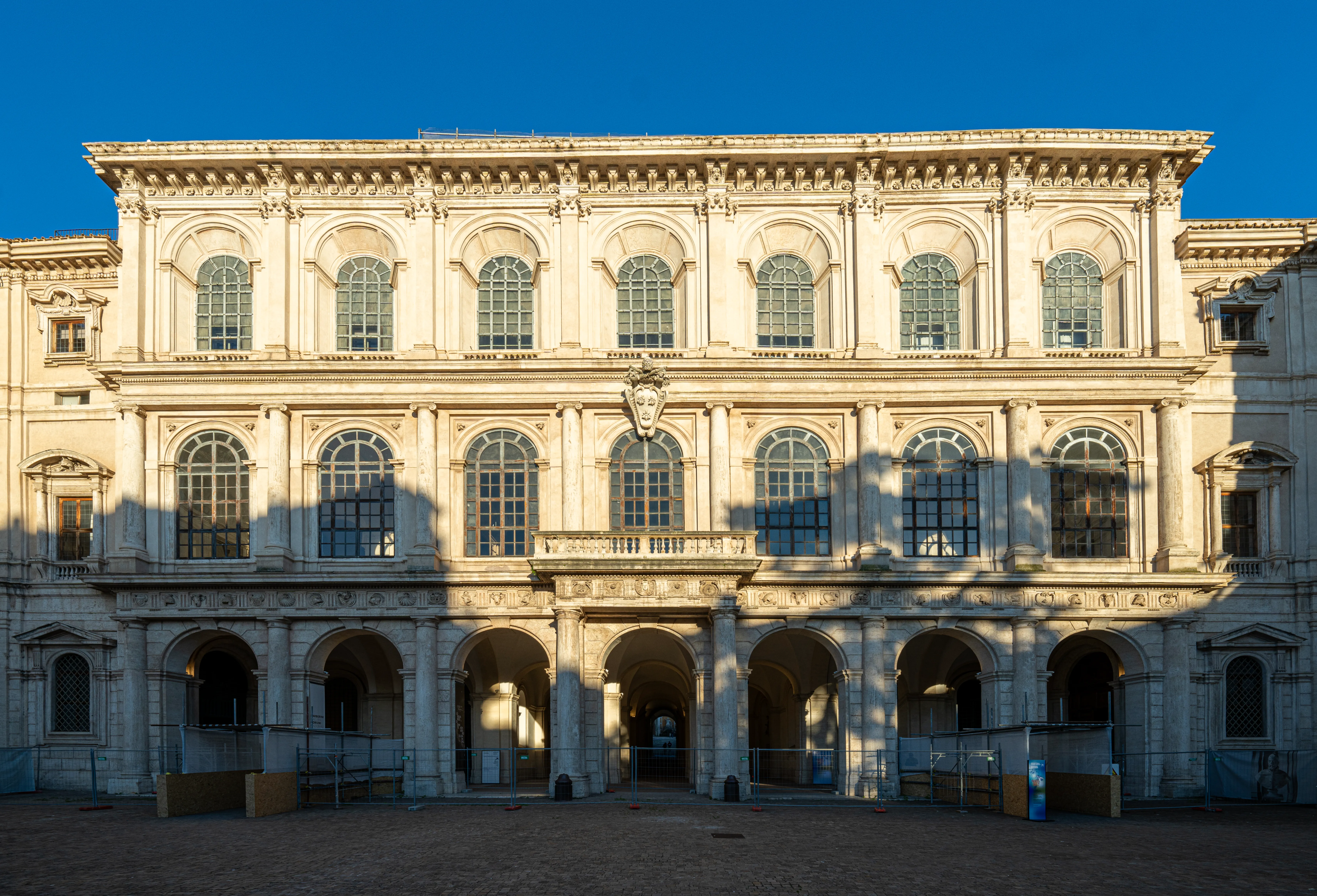
Palazzo Barberini First Visit: A Complete Long-Form Guide
A narrative guide to planning your first day at Palazzo Barberini, from tickets and timing to masterpieces, routes, and reflective pauses.
→
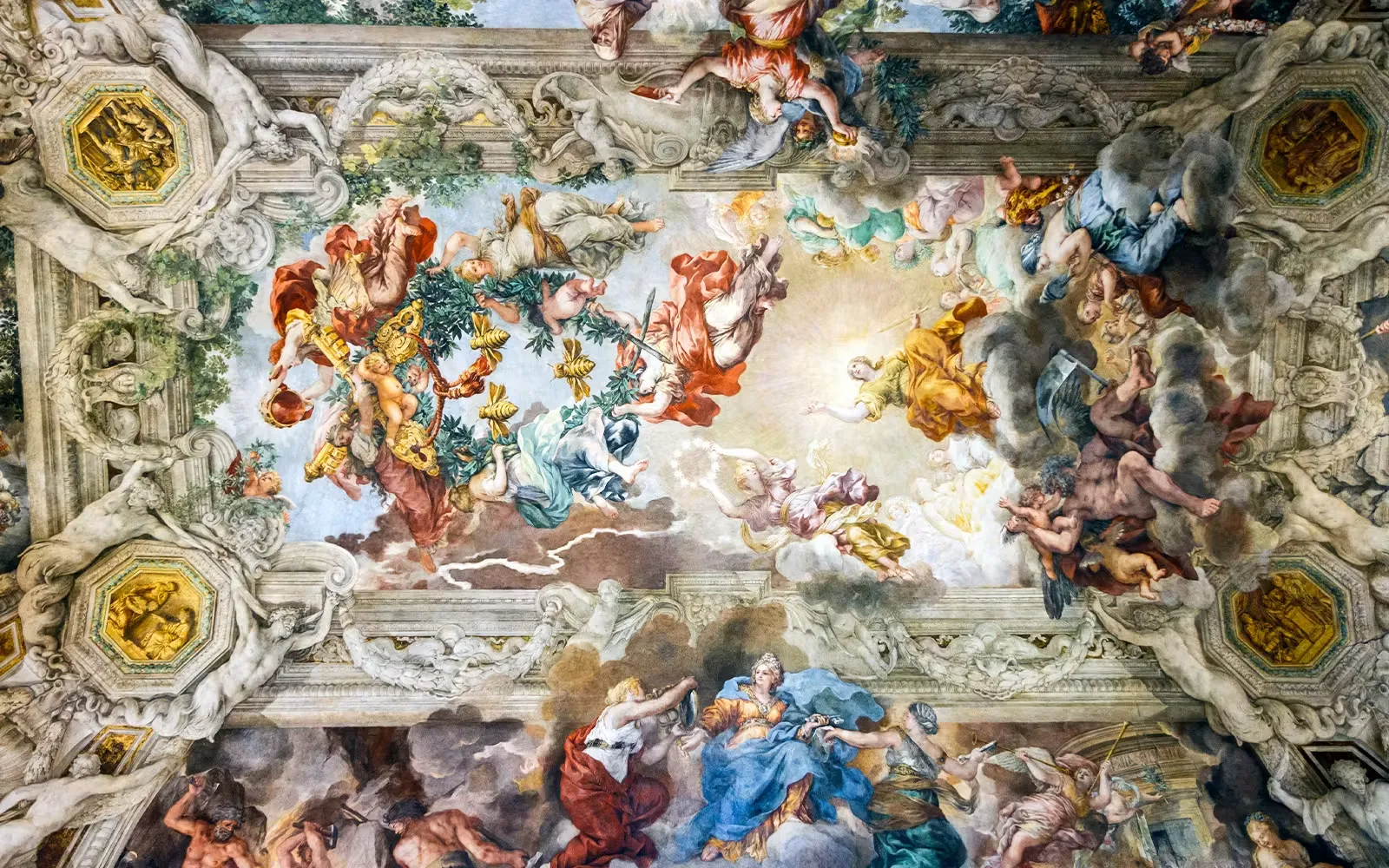
How to Read Pietro da Cortona’s *Triumph of Divine Providence*
A long narrative reading strategy for the famous Barberini ceiling fresco: symbols, movement, politics, and practical viewing positions.
→
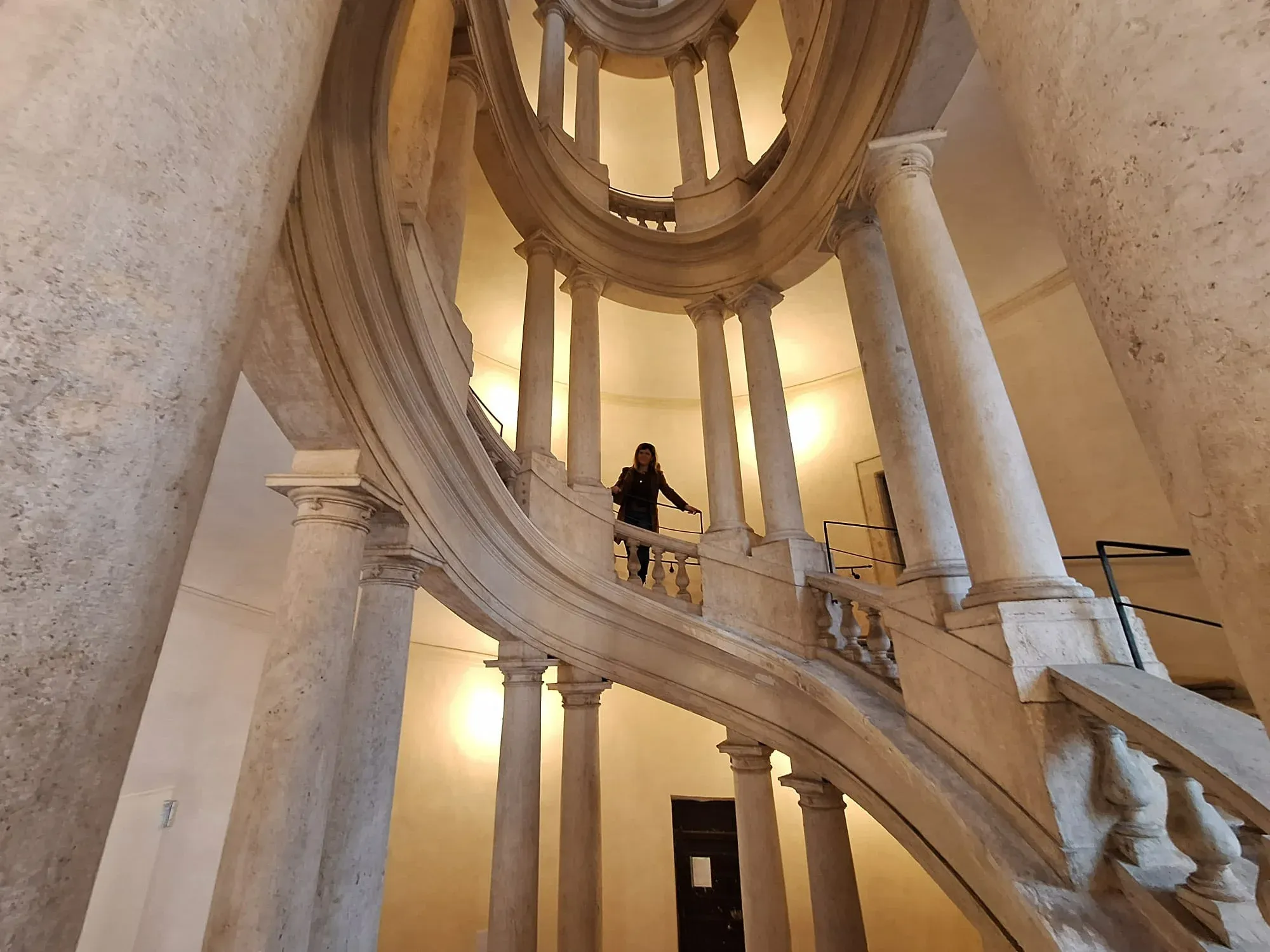
Bernini vs Borromini at Palazzo Barberini: The Staircase Duel
A detailed comparison of the two iconic staircases, with architectural clues, emotional impact, and what to photograph.
→
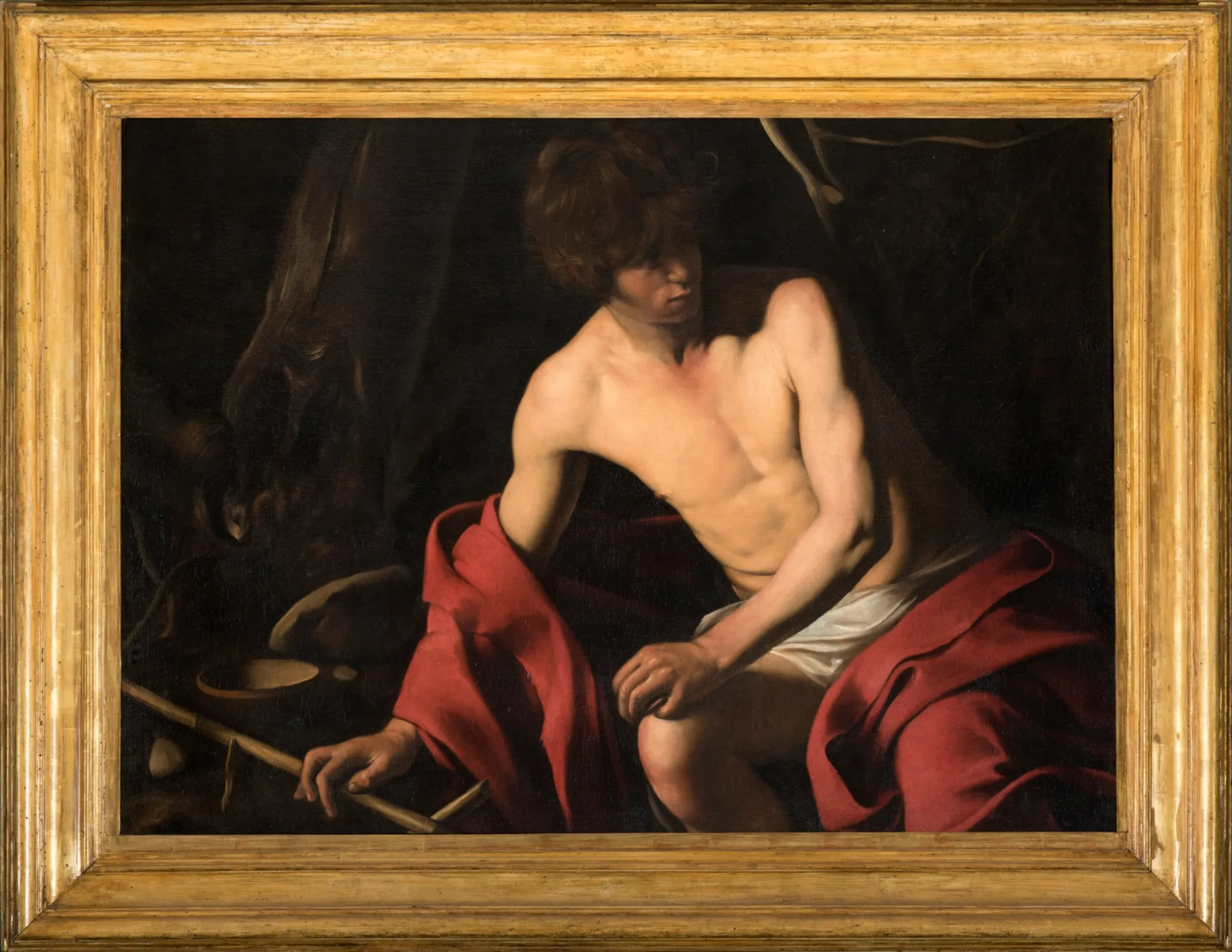
Caravaggio at Palazzo Barberini: A Slow-Looking Session
A deep, narrative approach to viewing Caravaggio at Palazzo Barberini with pacing cues, detail prompts, and emotional context.
→
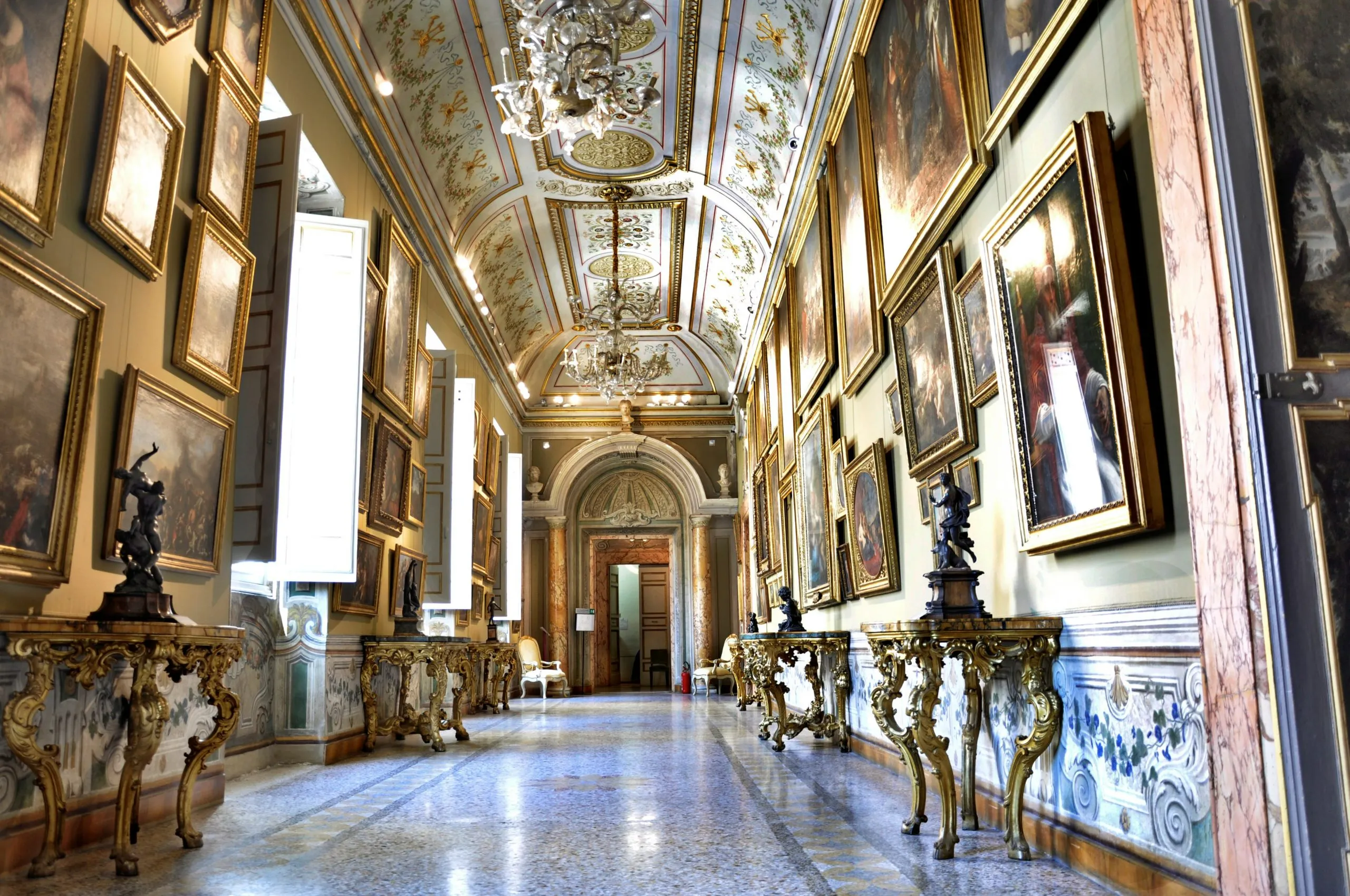
Galleria Corsini Complete Walkthrough: Quiet Power on the Trastevere Edge
An immersive route through Galleria Corsini, with room-by-room rhythm, key works, and practical pairings with Palazzo Barberini.
→
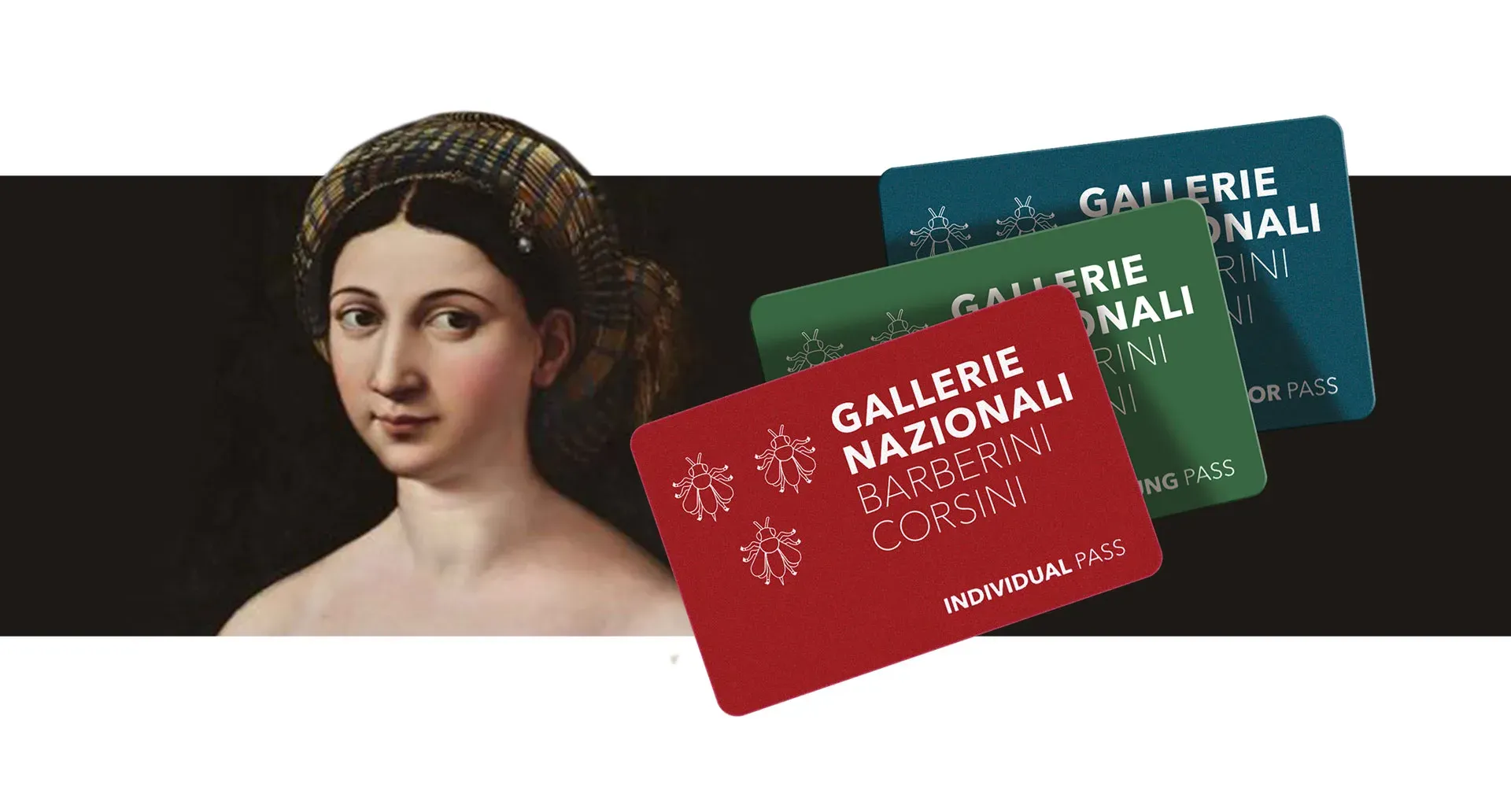
One Ticket, Two Worlds: Designing the Perfect Barberini + Corsini Day
Build a full-day art itinerary linking Palazzo Barberini and Galleria Corsini without burnout.
→
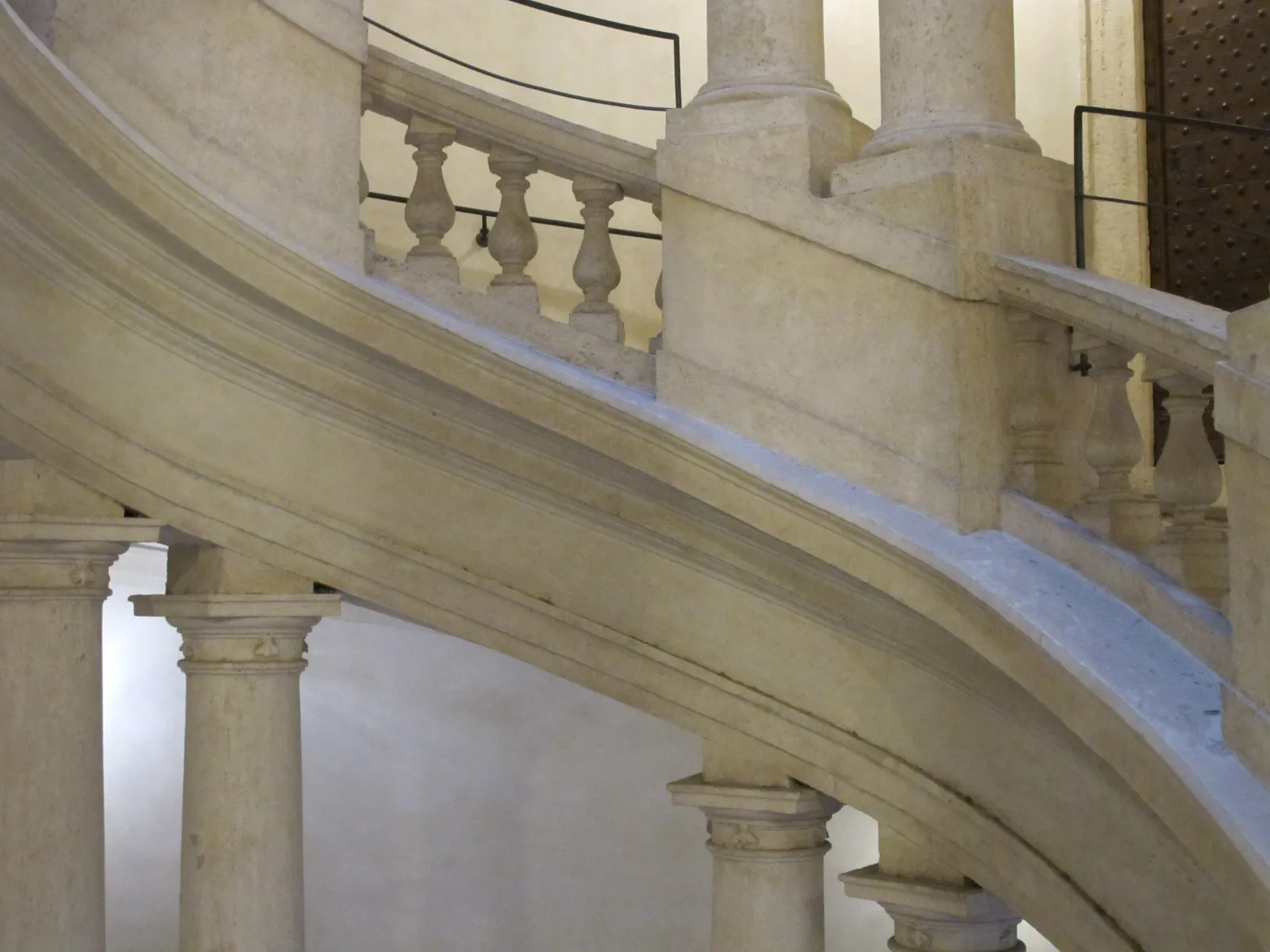
Best Photo Spots at Palazzo Barberini and Galleria Corsini
A photographer-focused narrative guide to framing architecture, galleries, staircases, and courtyards respectfully.
→
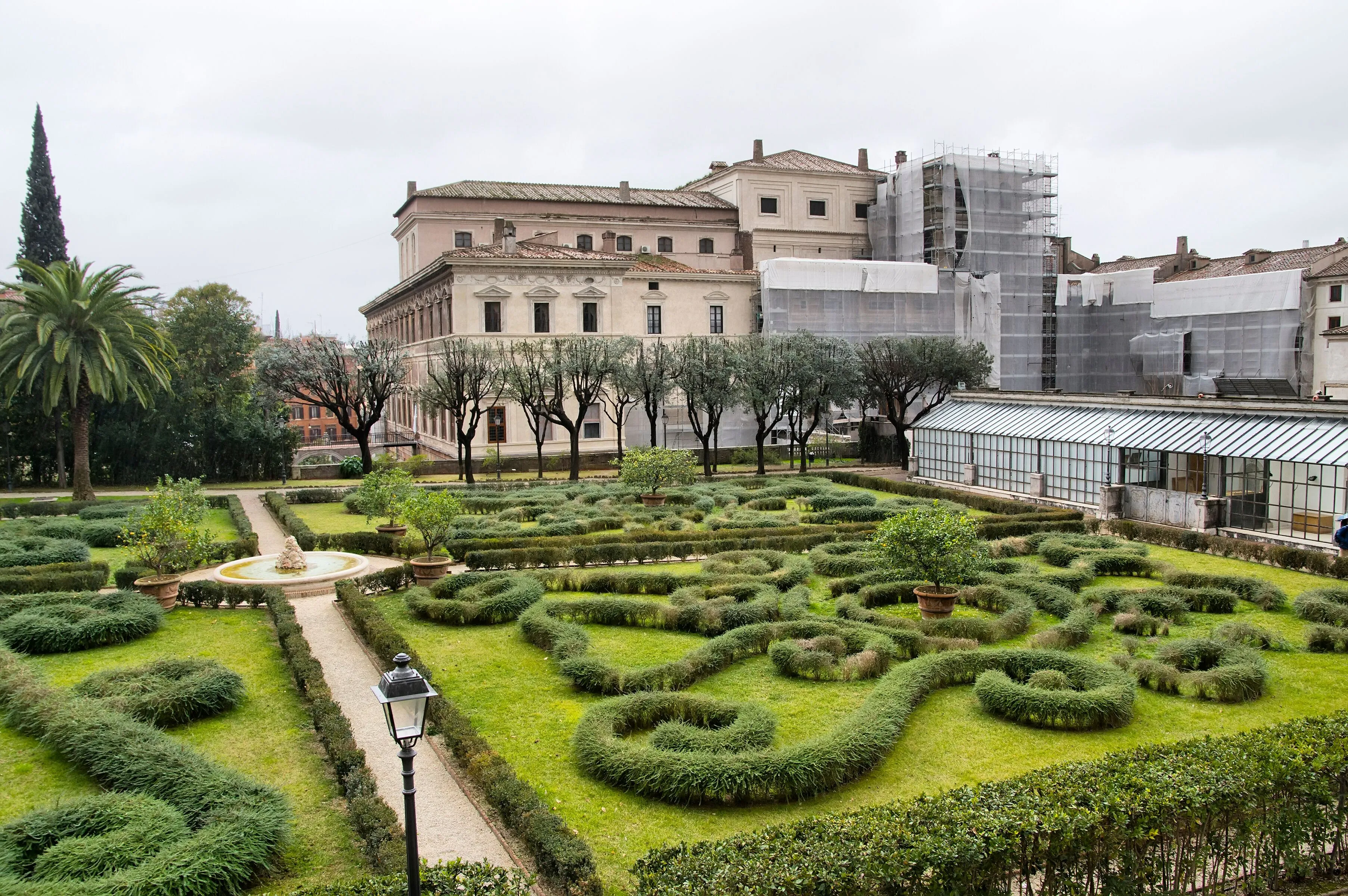
Family-Friendly Day at Barberini and Corsini (Without Meltdowns)
A realistic narrative plan for visiting both museums with kids, including pacing, games, and break strategies.
→
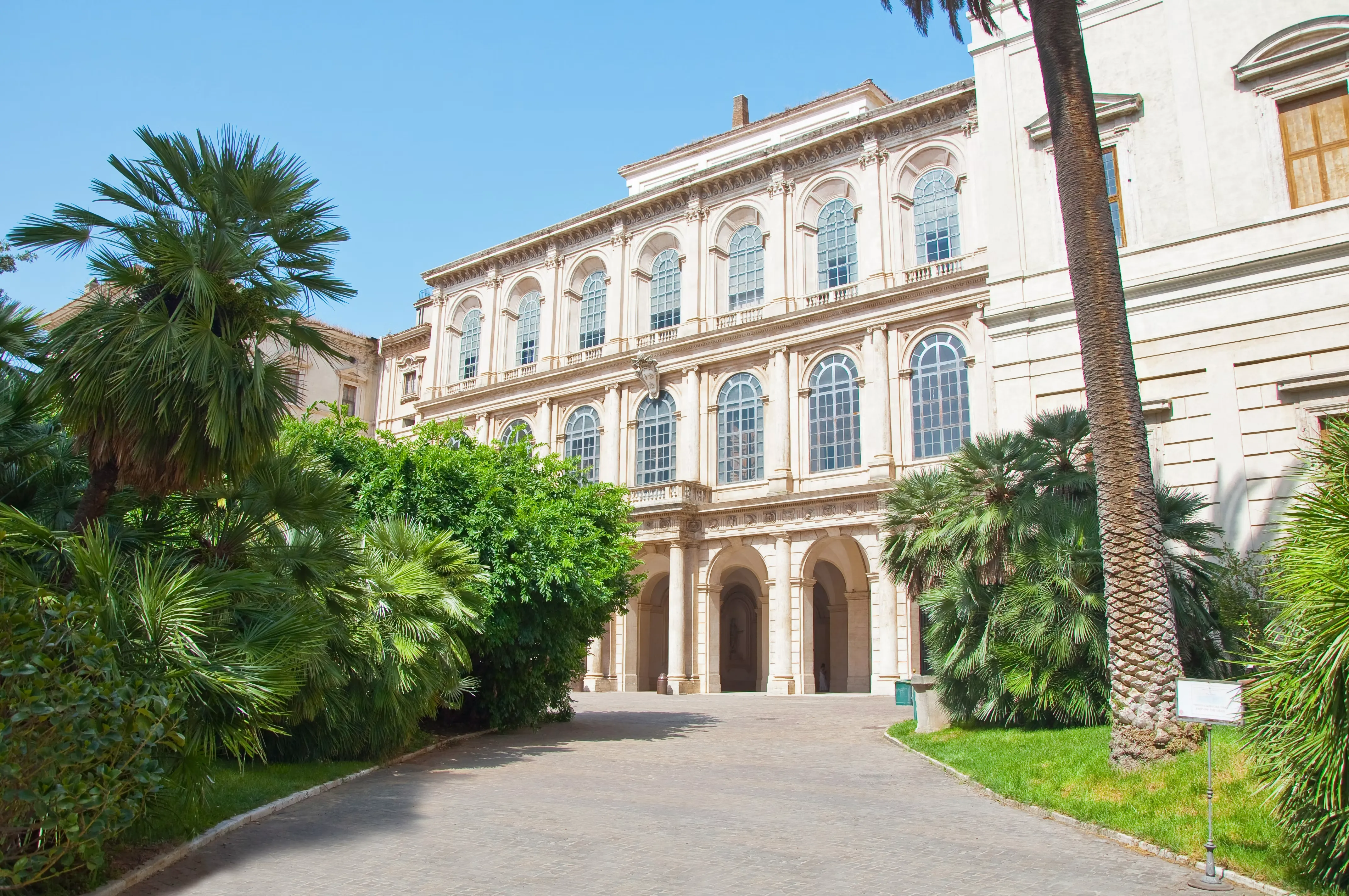
Accessible Visit Guide: Palazzo Barberini and Galleria Corsini
A practical and respectful accessibility-oriented guide covering pacing, routes, seating, and communication with staff.
→
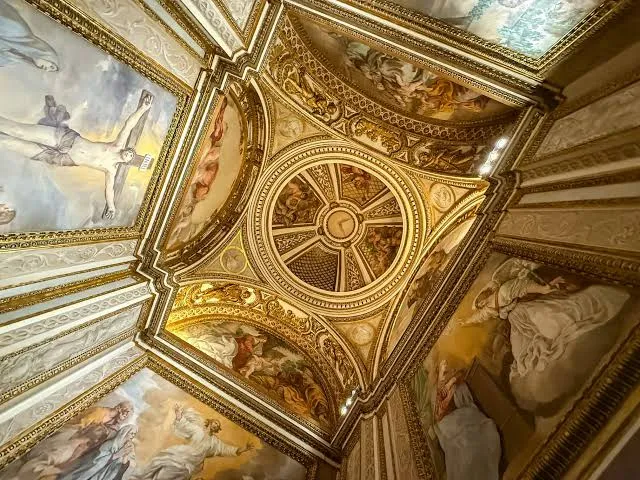
Baroque Light and Shadow at Barberini and Corsini: What to Watch For
Learn how Baroque artists and architects use light as structure, emotion, and argument across both collections.
→
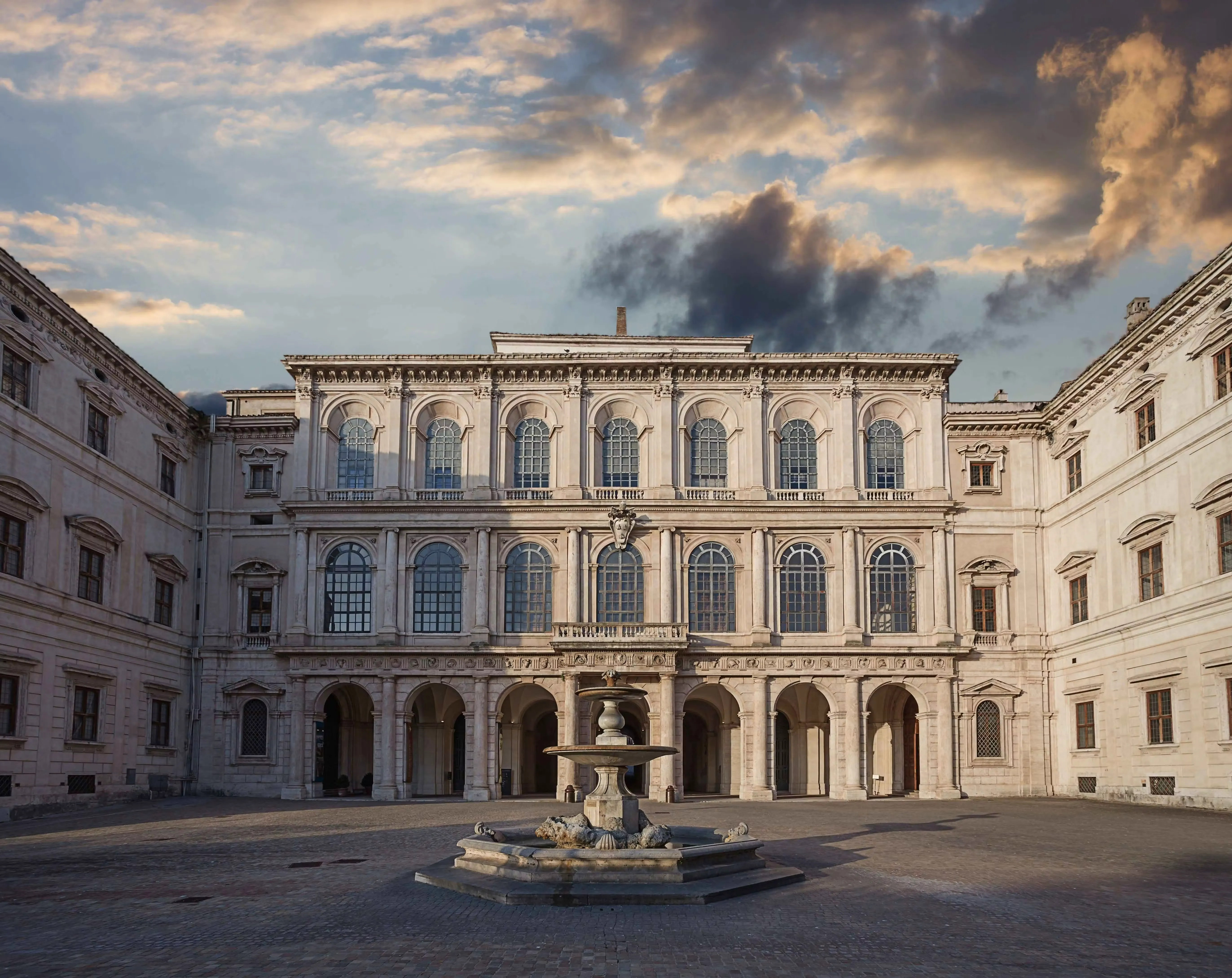
Rainy Day in Rome? Build a Perfect Indoor Art Route with Barberini + Corsini
A weather-proof narrative itinerary connecting two superb museums with comfortable transitions and mood-friendly pacing.
→
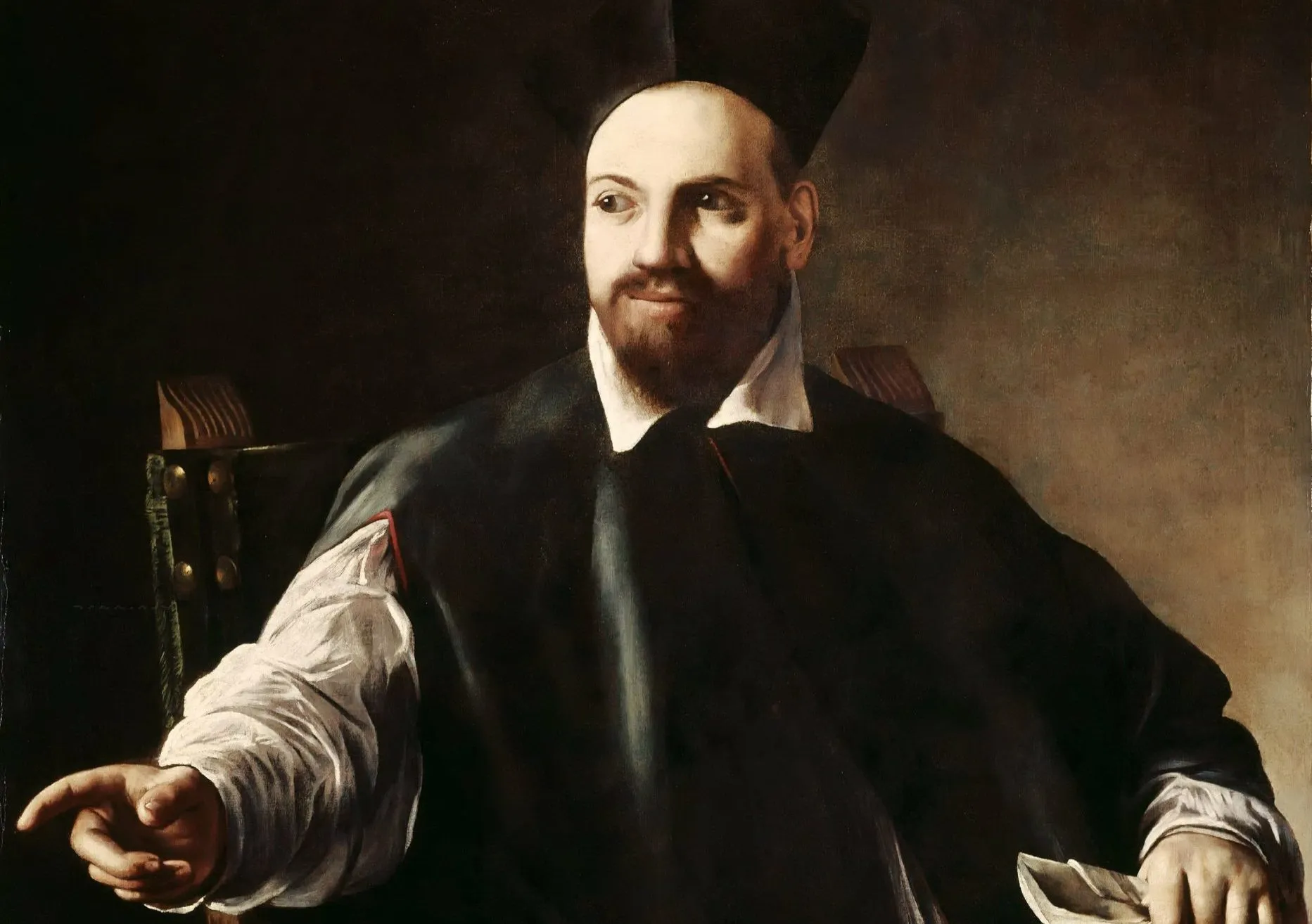
How to Read Portraiture at Barberini and Corsini
A practical long-form framework for understanding status, gesture, costume, and psychological staging in early modern portraits.
→
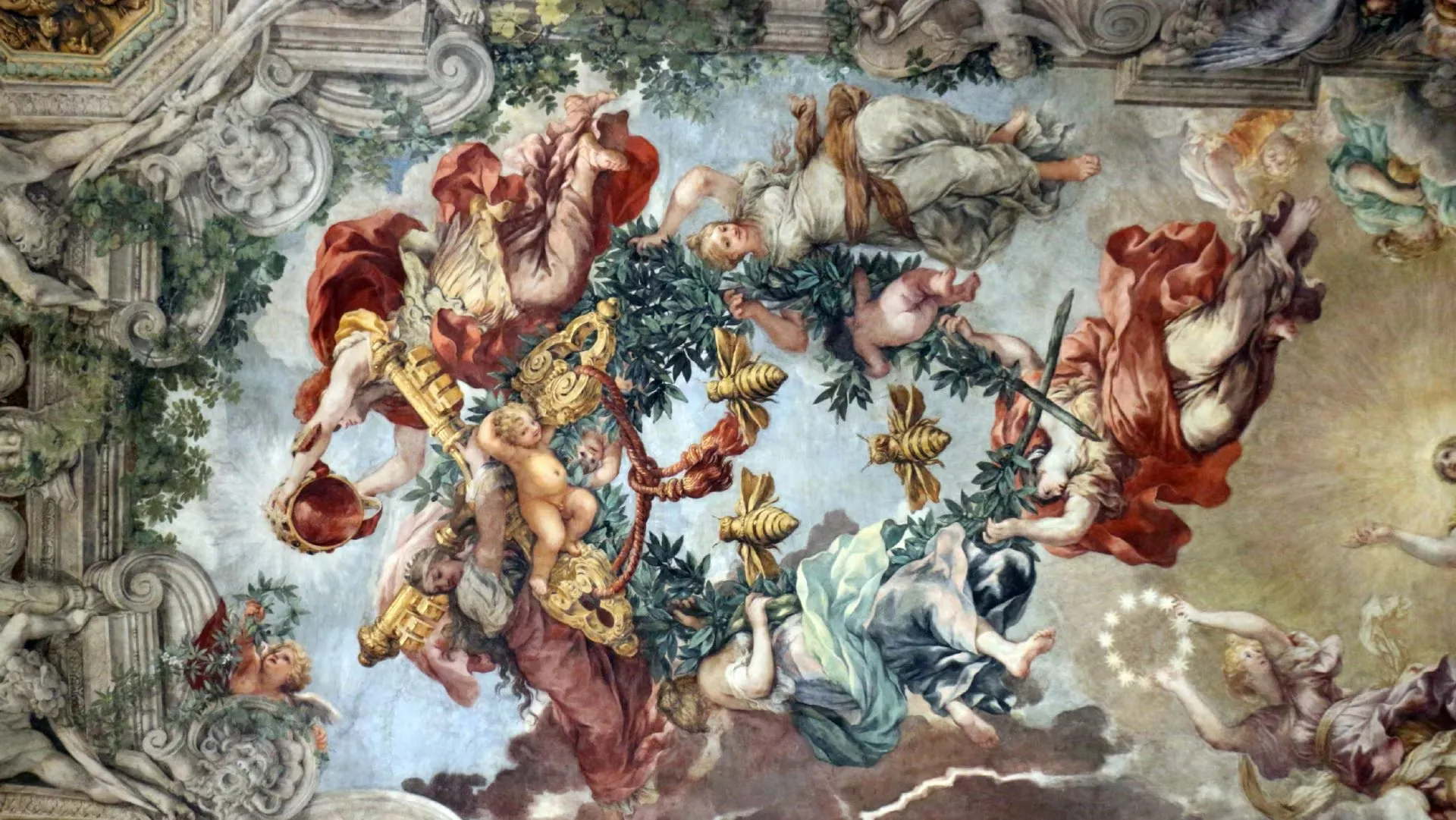
Ceiling Frescoes for Beginners (No Jargon, Just Clarity)
A beginner-friendly but rich explanation of how to enjoy monumental ceiling painting at Palazzo Barberini.
→
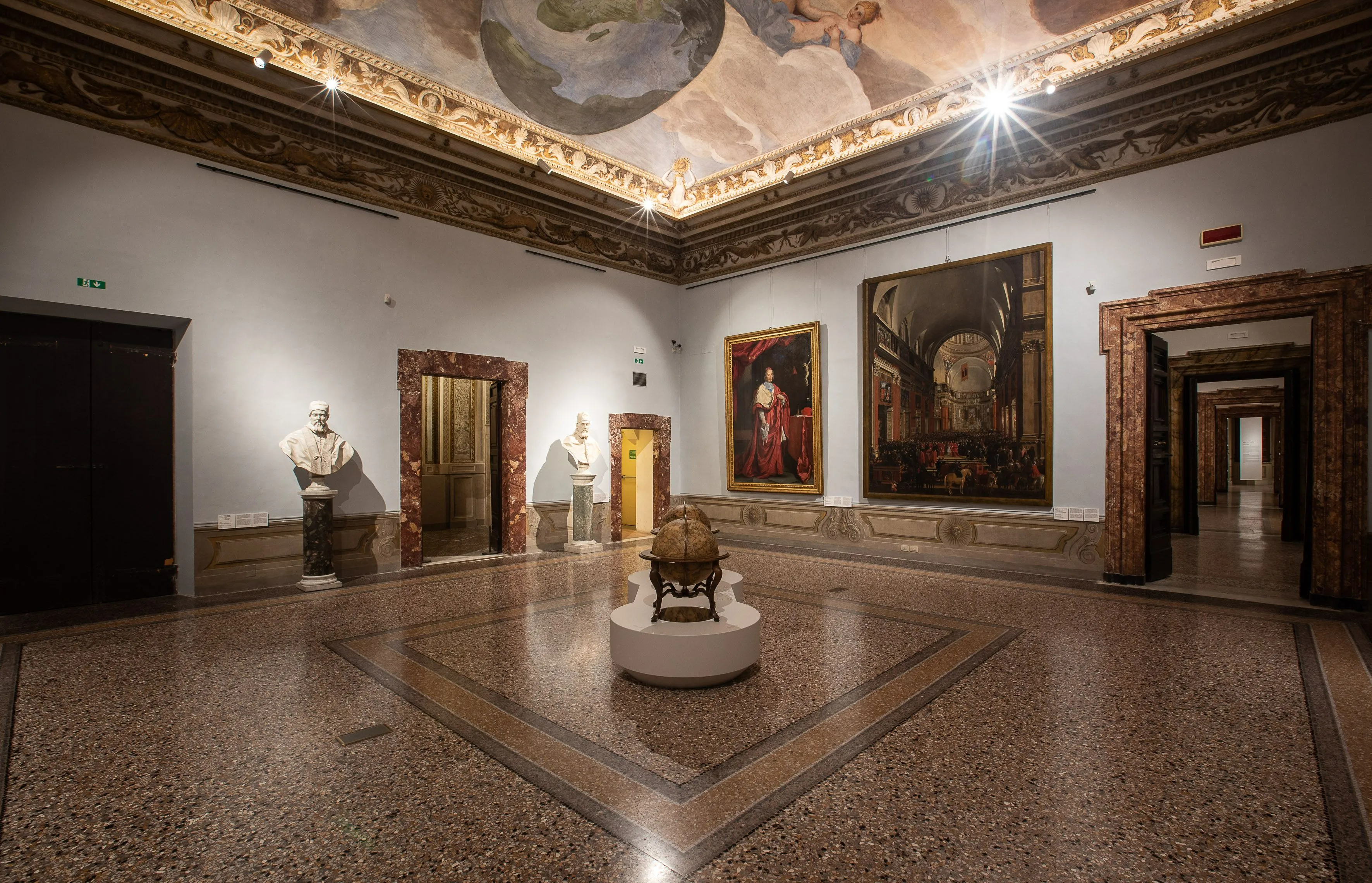
Quiet Corners and Rest Points: The Gentle Way to Visit Both Museums
A mindful guide to slowing down, finding lower-stimulation areas, and preserving attention during long museum visits.
→
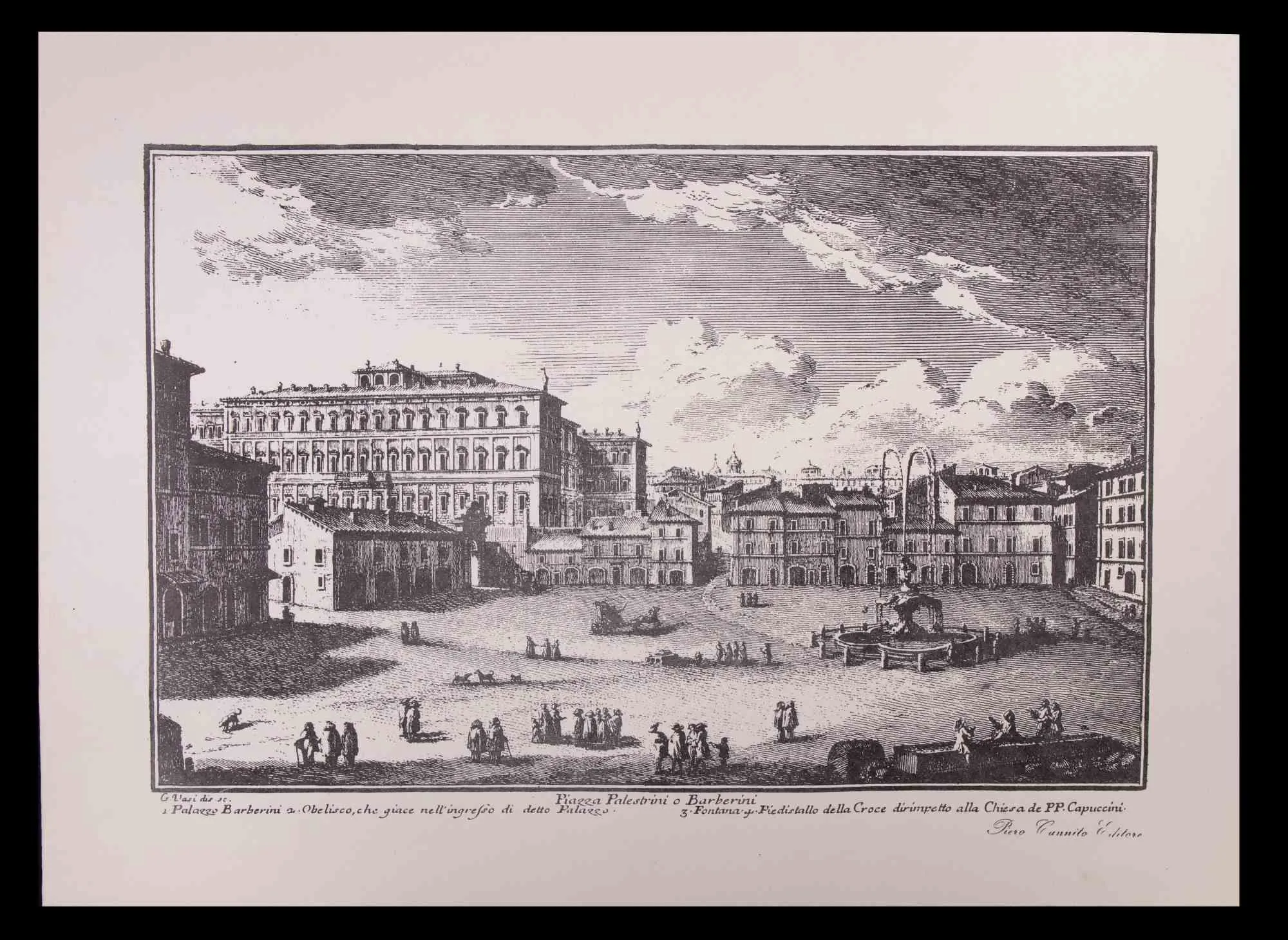
Art Student Study Plan: One Productive Day at Barberini and Corsini
A focused field-study framework for art and architecture students, with sketch prompts and comparative tasks.
→
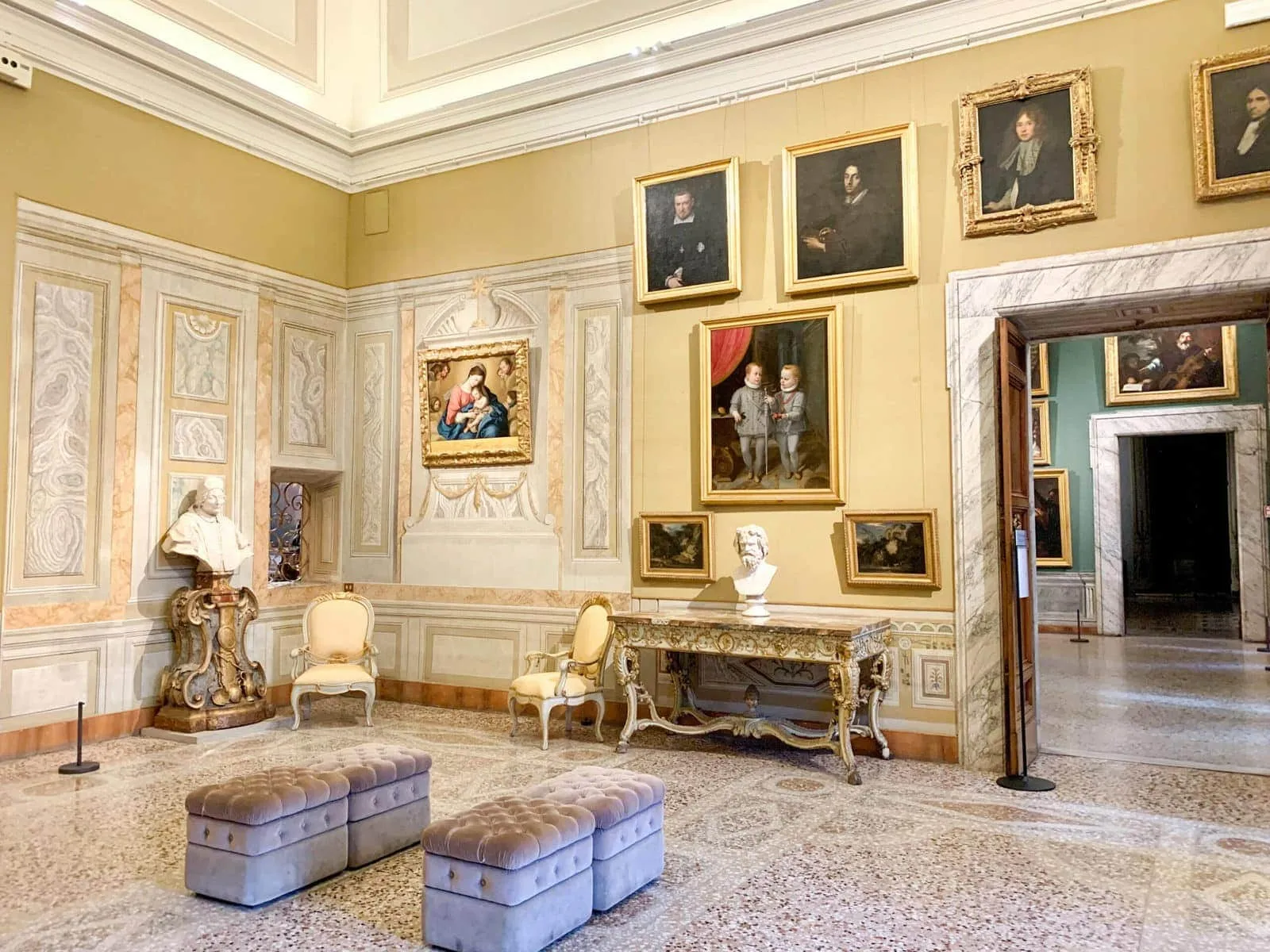
Galleria Corsini Collection Highlights: A Deep-Dive Narrative
An extended highlights guide for Galleria Corsini with thematic links, viewing order, and interpretive prompts.
→
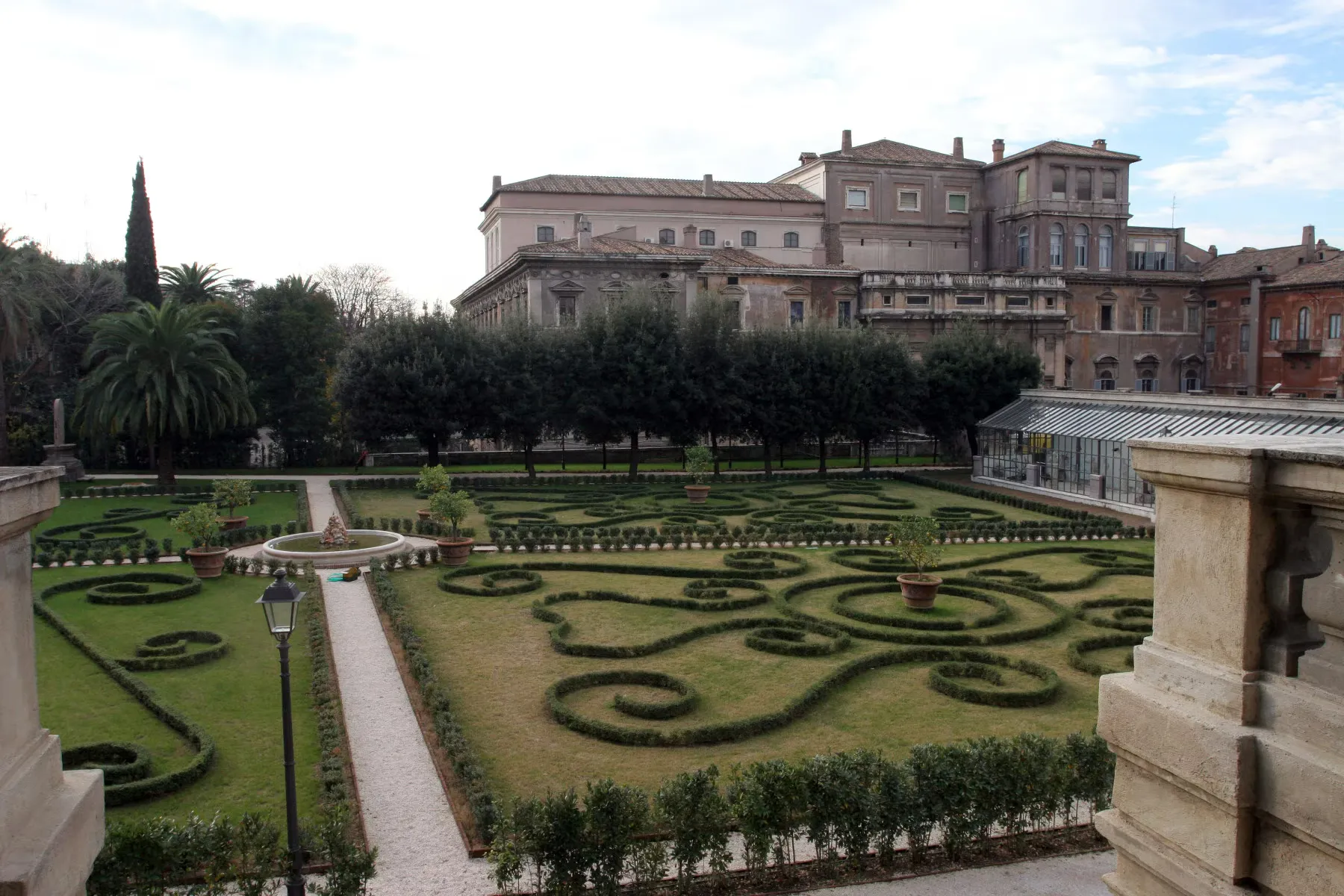
Barberini Gardens and Courtyard: A Slow Walk Between Rooms
Use outdoor and transitional spaces at Palazzo Barberini to reset attention and deepen your museum experience.
→
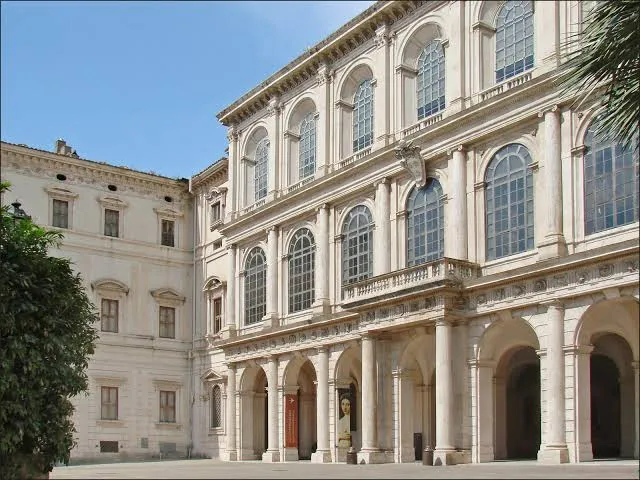
Rome Baroque Beginners: 7 Common Mistakes at Barberini and Corsini
Avoid the most frequent first-timer mistakes and turn a rushed visit into a coherent Baroque experience.
→
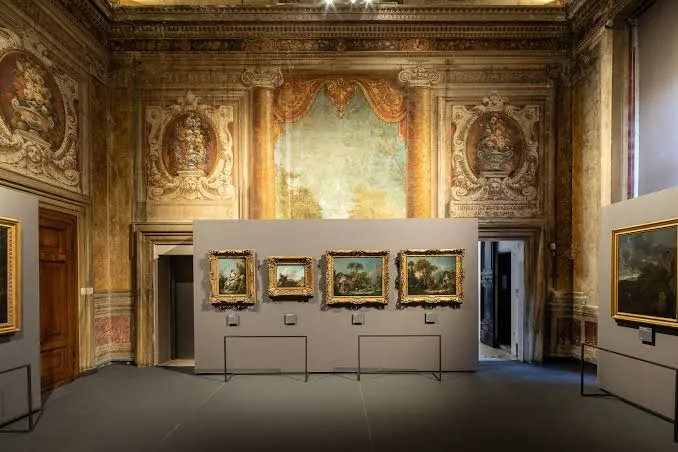
Scholar-Style Notes Template for Barberini and Corsini Visits
A detailed narrative plus reusable Markdown templates for rigorous yet practical museum note-taking.
→
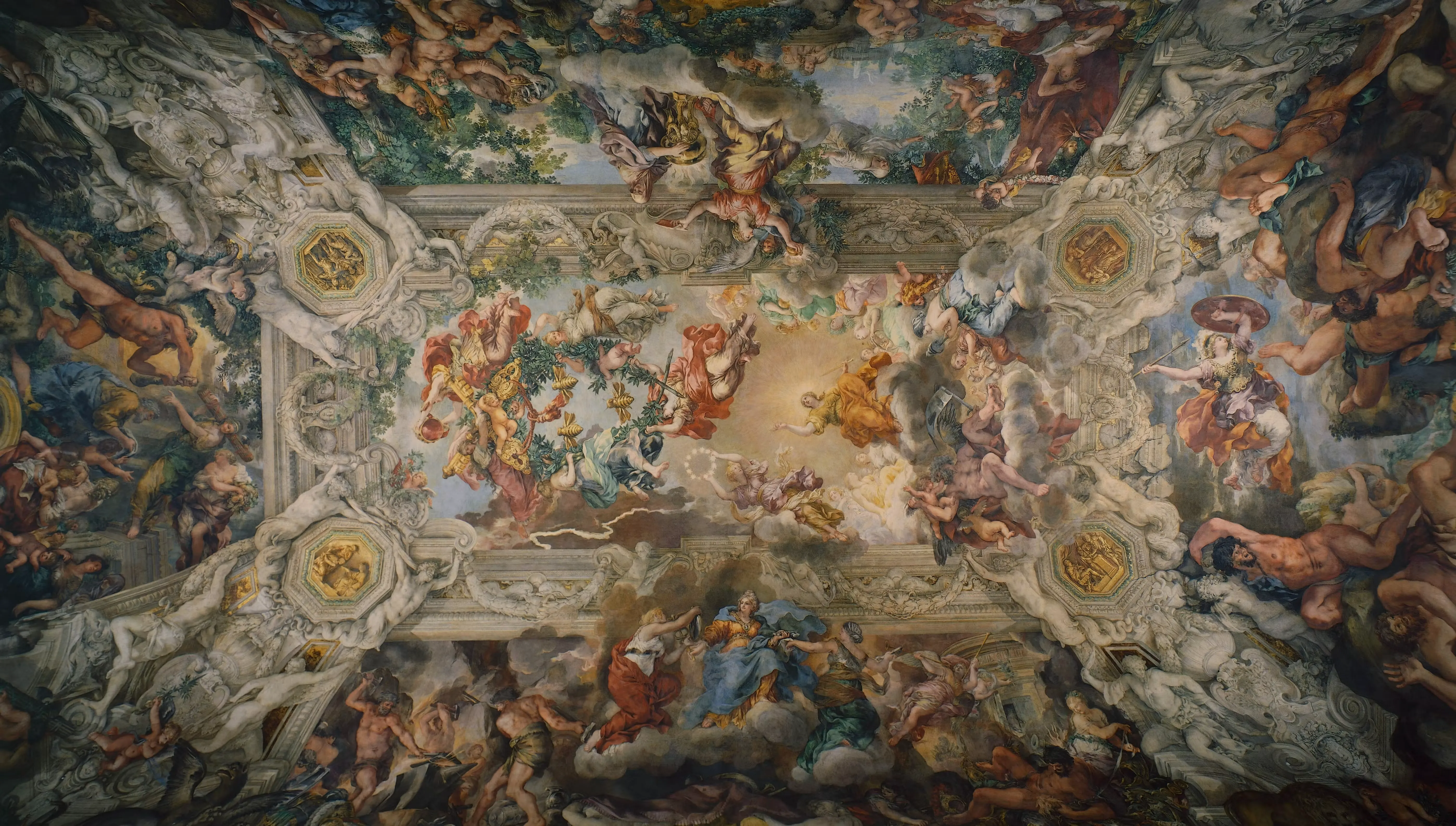
Ceilings, Constellations, and Power: A Narrative Reading of Barberini Iconography
A richer long-form narrative on how celestial imagery, allegory, and dynastic ambition intersect across Barberini interiors.
→
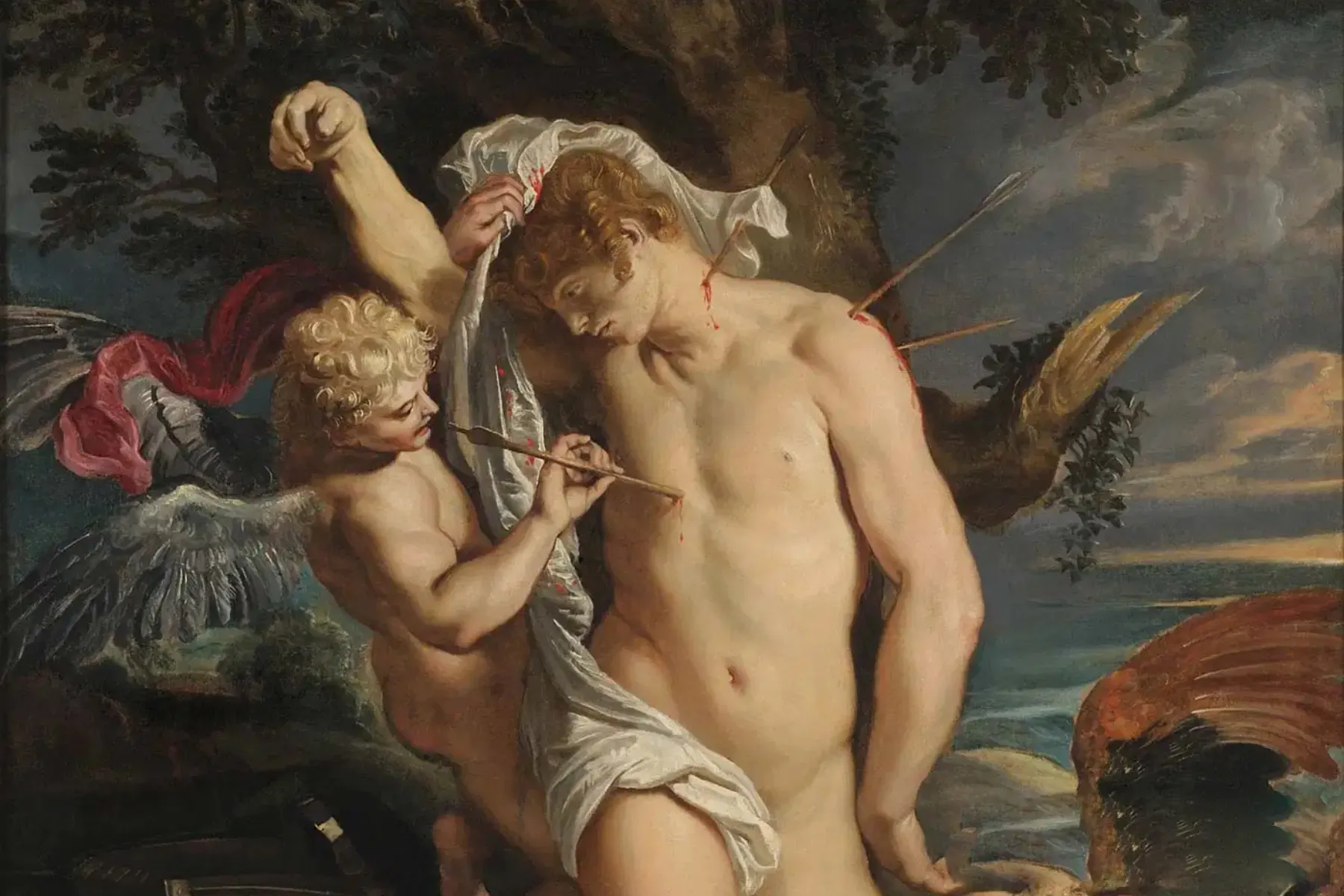
Corsini’s Silent Rooms: How to Look Longer Without Losing Focus
A deep narrative guide to attention management, slow seeing, and interpretive stamina in the quieter galleries of Galleria Corsini.
→
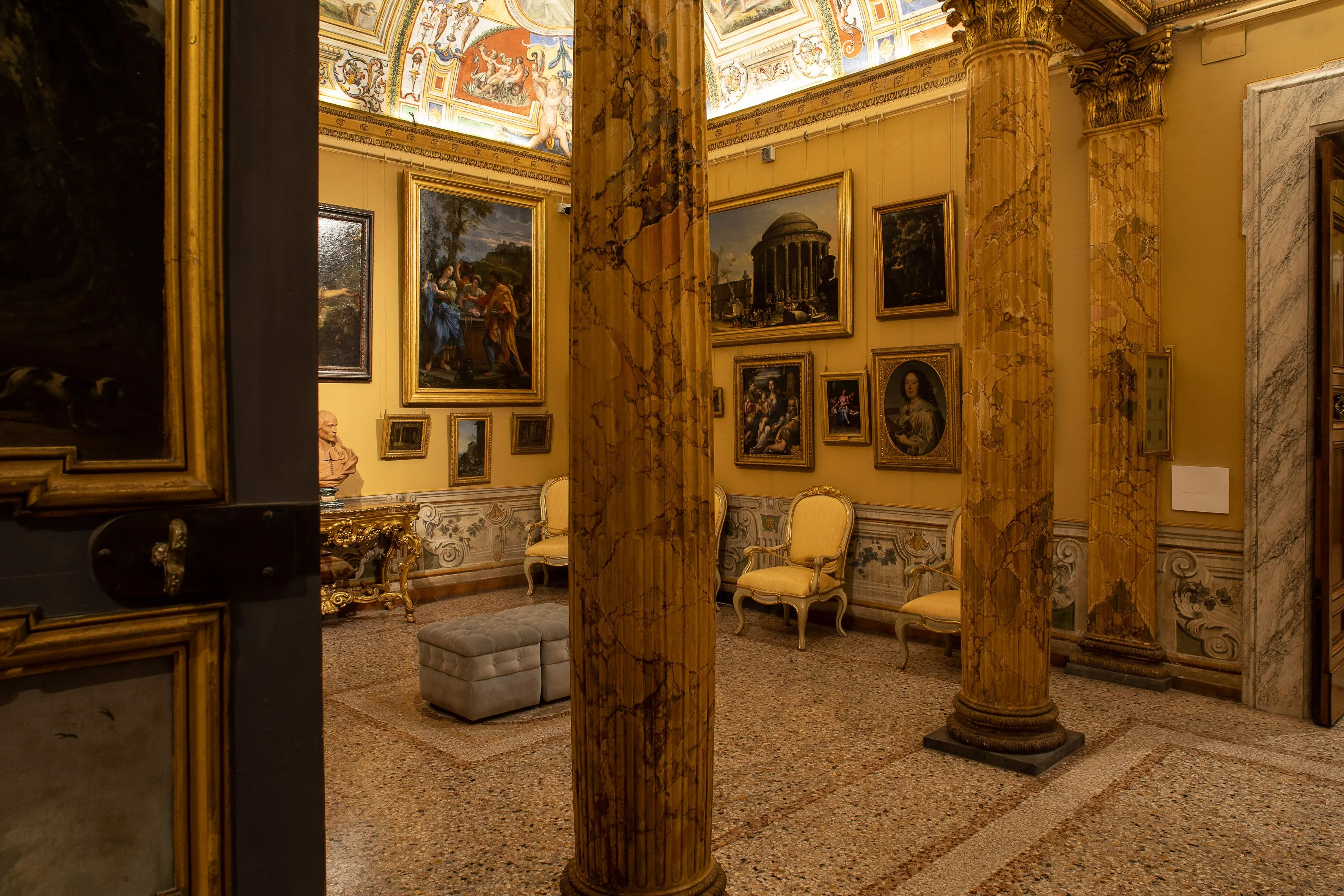
Palazzo Barberini Architecture for Non-Architects: A Rich Visual Primer
A narrative, beginner-friendly architecture guide explaining sequence, proportion, circulation, and Baroque spatial drama.
→
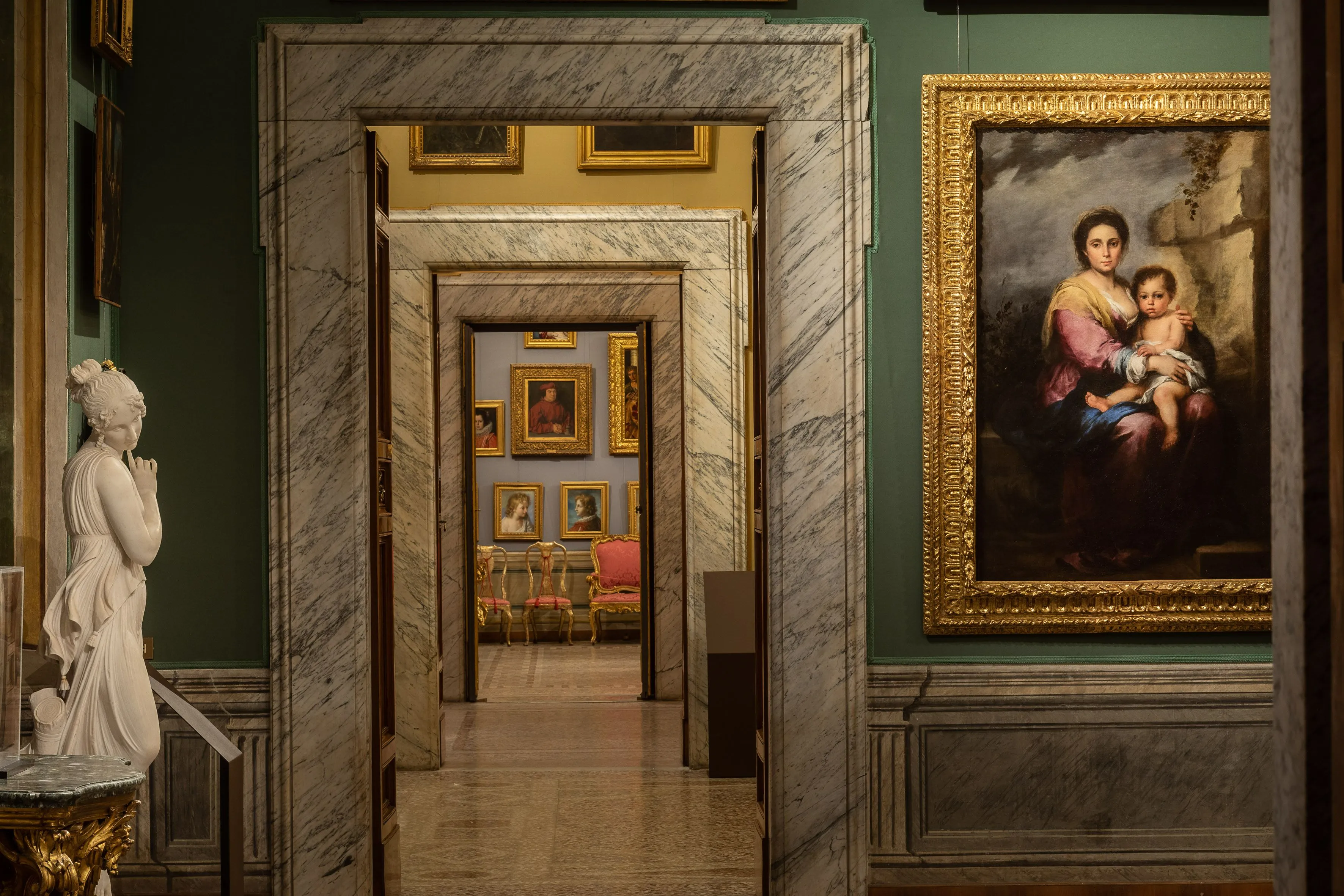
Devotion, Power, Landscape: Three Narrative Threads in the Corsini Collection
A long interpretive essay on thematic reading at Galleria Corsini, with room-level prompts and narrative continuity techniques.
→
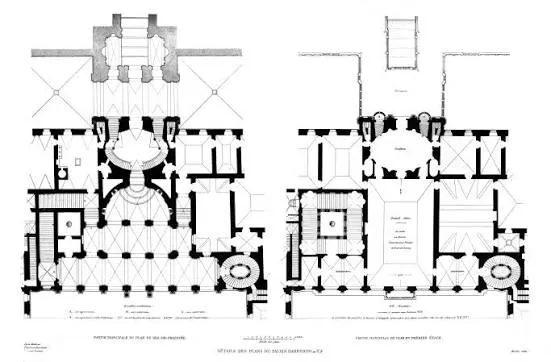
Two-Day Master Itinerary: Deep Visit to Barberini and Corsini
A richer two-day narrative plan with pacing, note strategy, recovery windows, and thematic priorities for serious visitors.
→
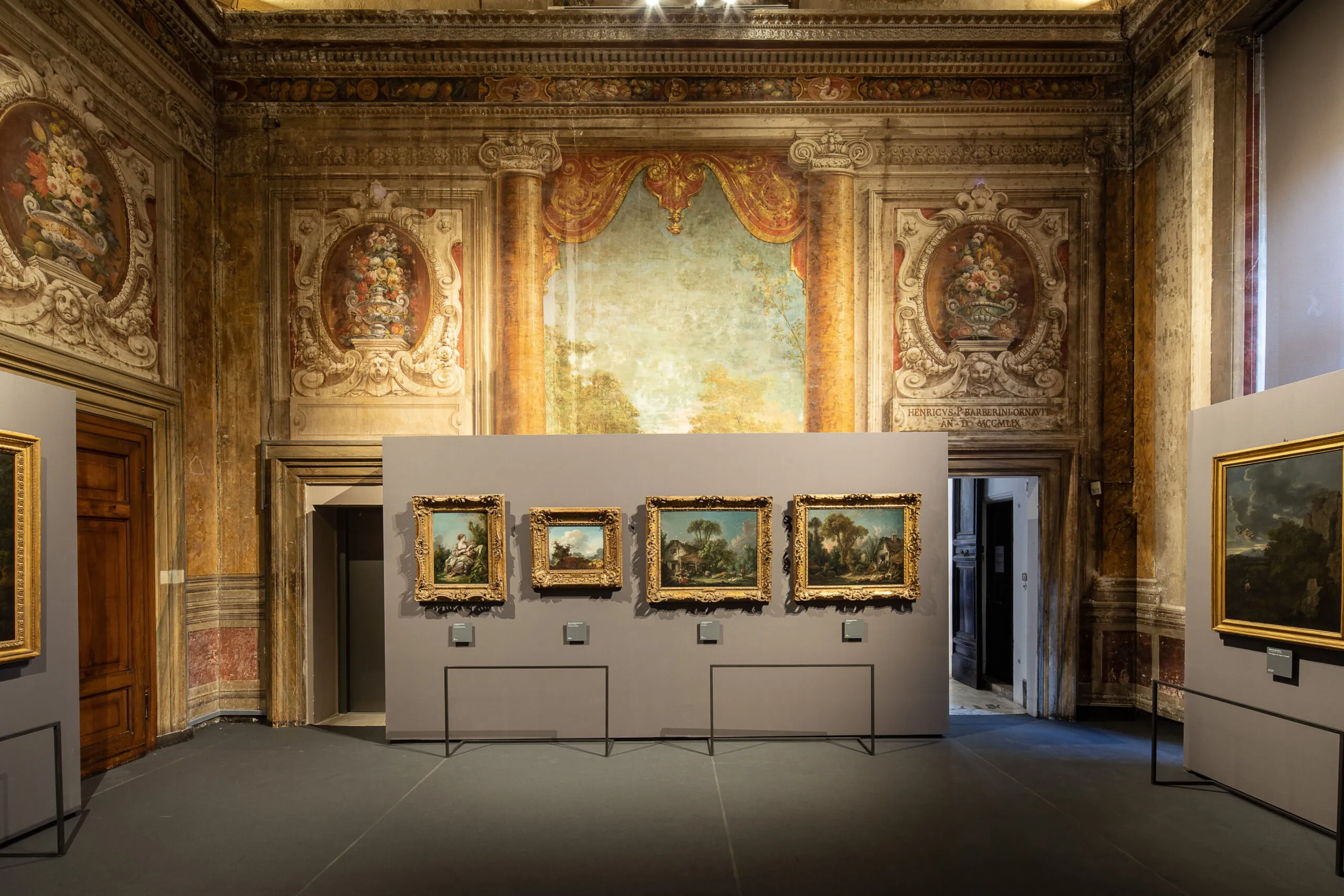
Baroque Color Language at Barberini and Corsini: A Narrative Guide
An extended guide to reading color as narrative, hierarchy, and emotional modulation across the two collections.
→
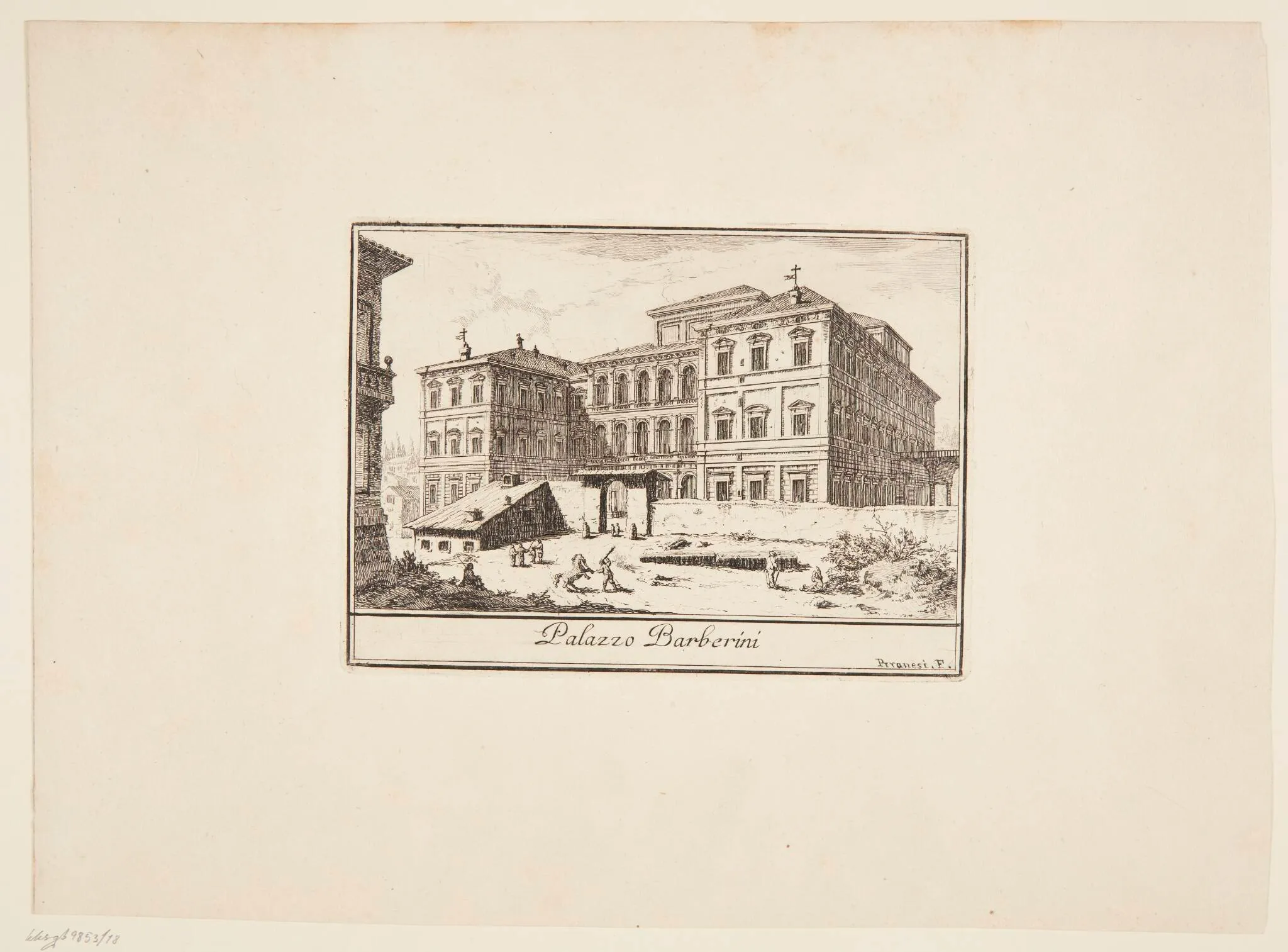
Creative Writing Prompts Inspired by Barberini and Corsini
A long narrative toolkit for writers, photographers, and creators who want to transform museum visits into finished work.
→
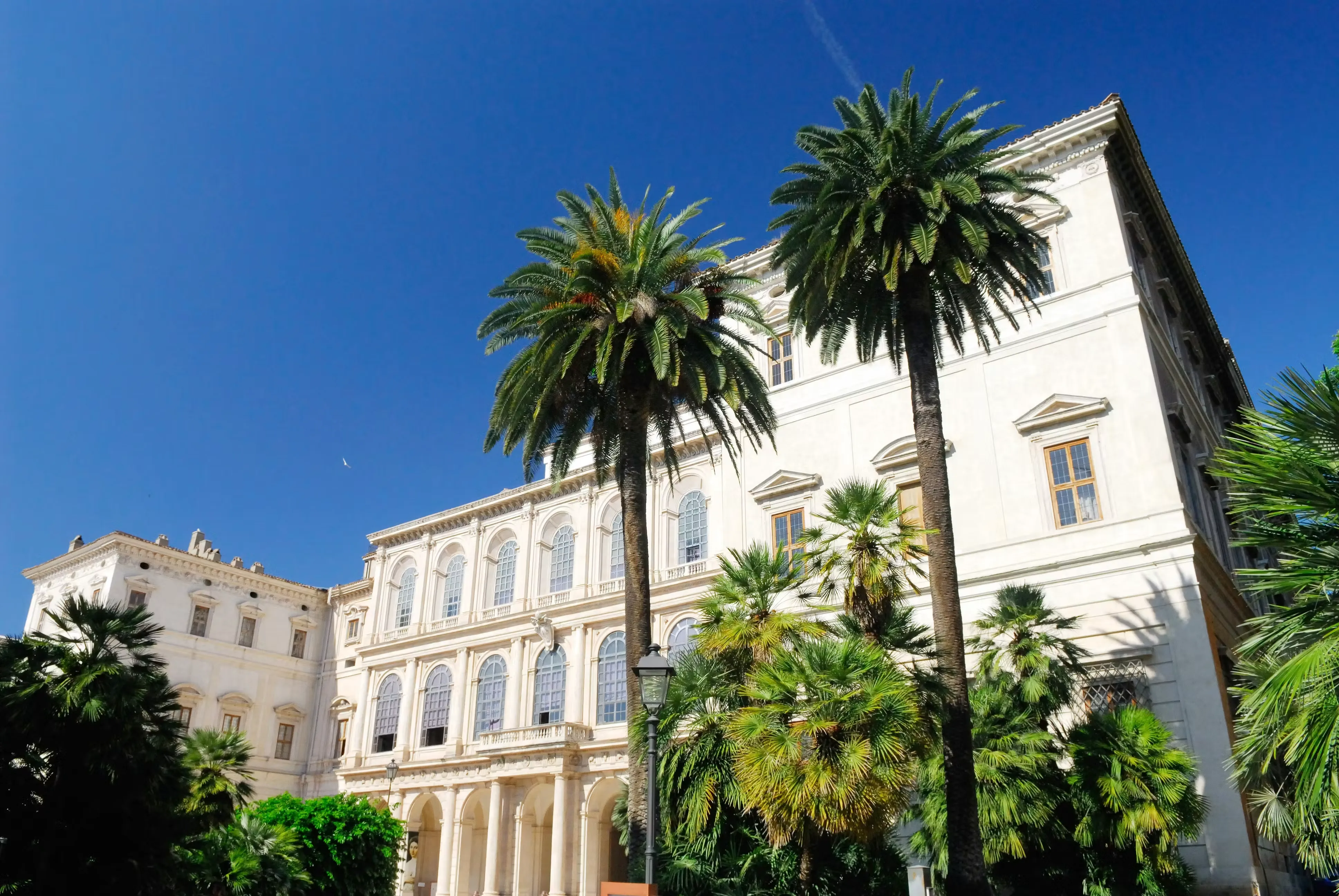
Return Visit Strategy: Palazzo Barberini in Late-Day Light
A rich narrative post about why and how to plan a second visit, with altered light, deeper recall, and comparative perception.
→
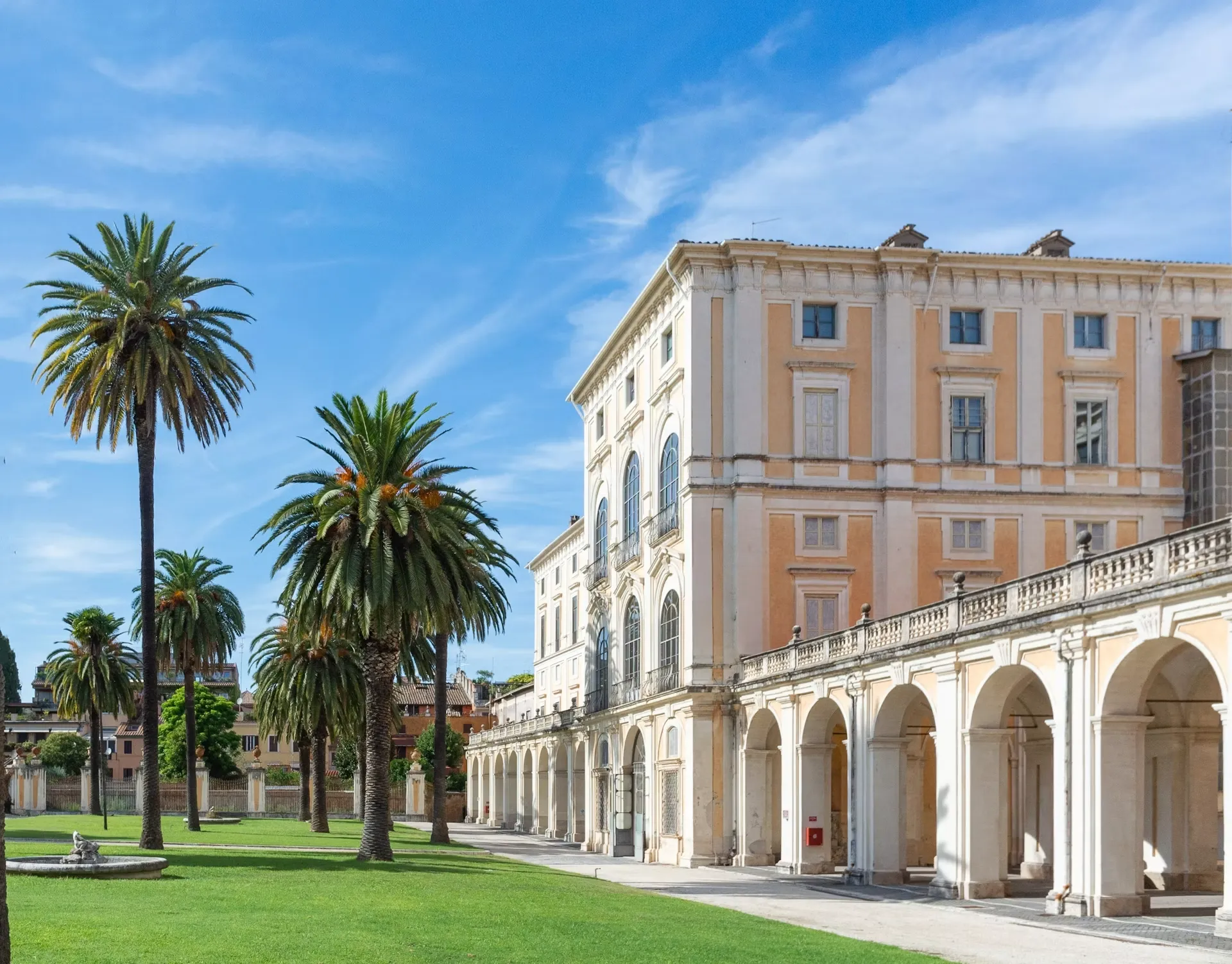
Corsini + Trastevere Context Walk: Extending the Museum Narrative Outdoors
A long narrative route linking Galleria Corsini with nearby urban context to deepen historical and sensory understanding.
→
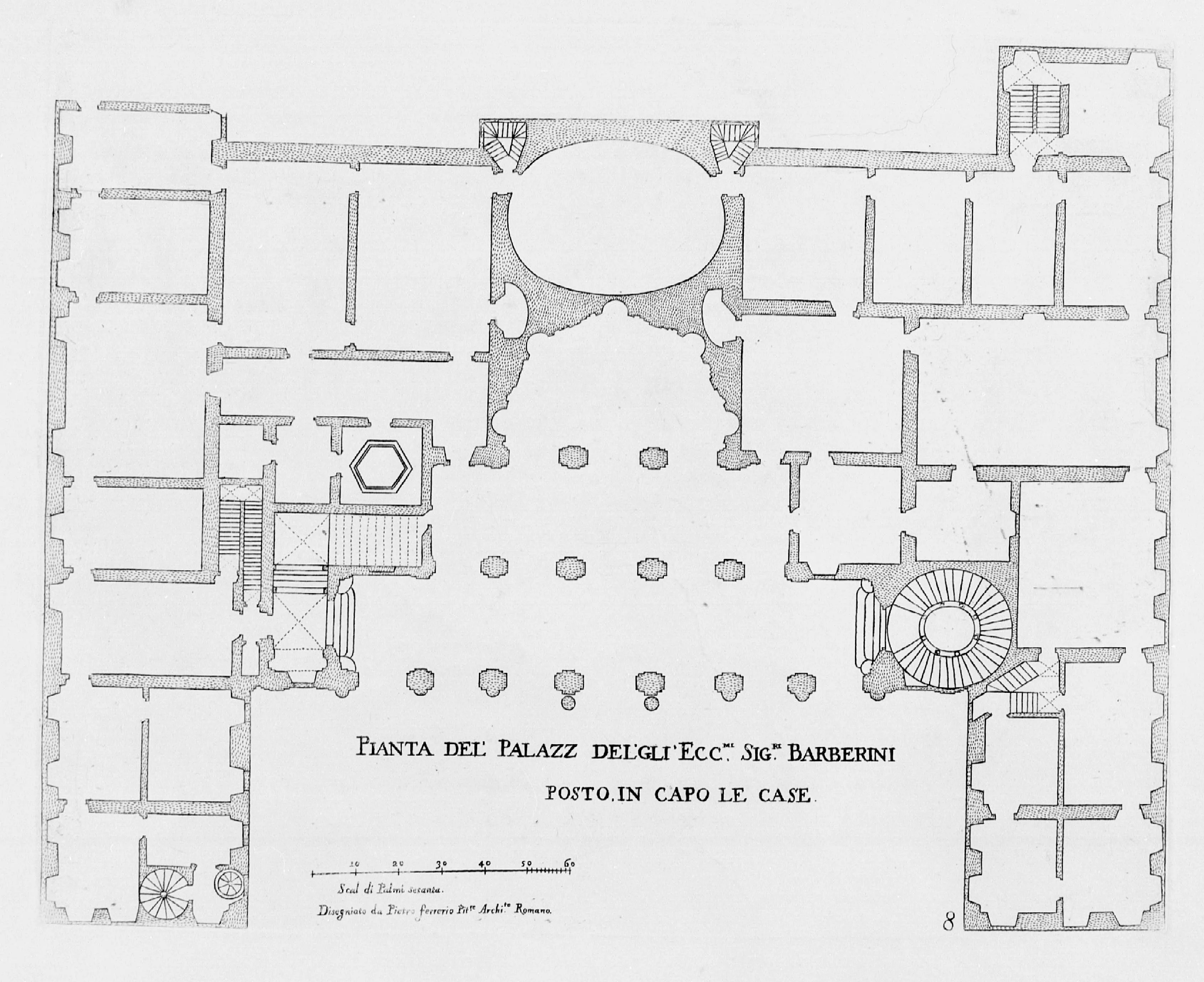
Advanced Note System for Guides, Educators, and Repeat Visitors
A comprehensive narrative framework for building reusable interpretation notes across multiple visits to Barberini and Corsini.
→