History of Palazzo Barberini - Timeline and Transformation
Follow Palazzo Barberini across centuries: dynastic politics, architecture, collecting habits, and museum identity.
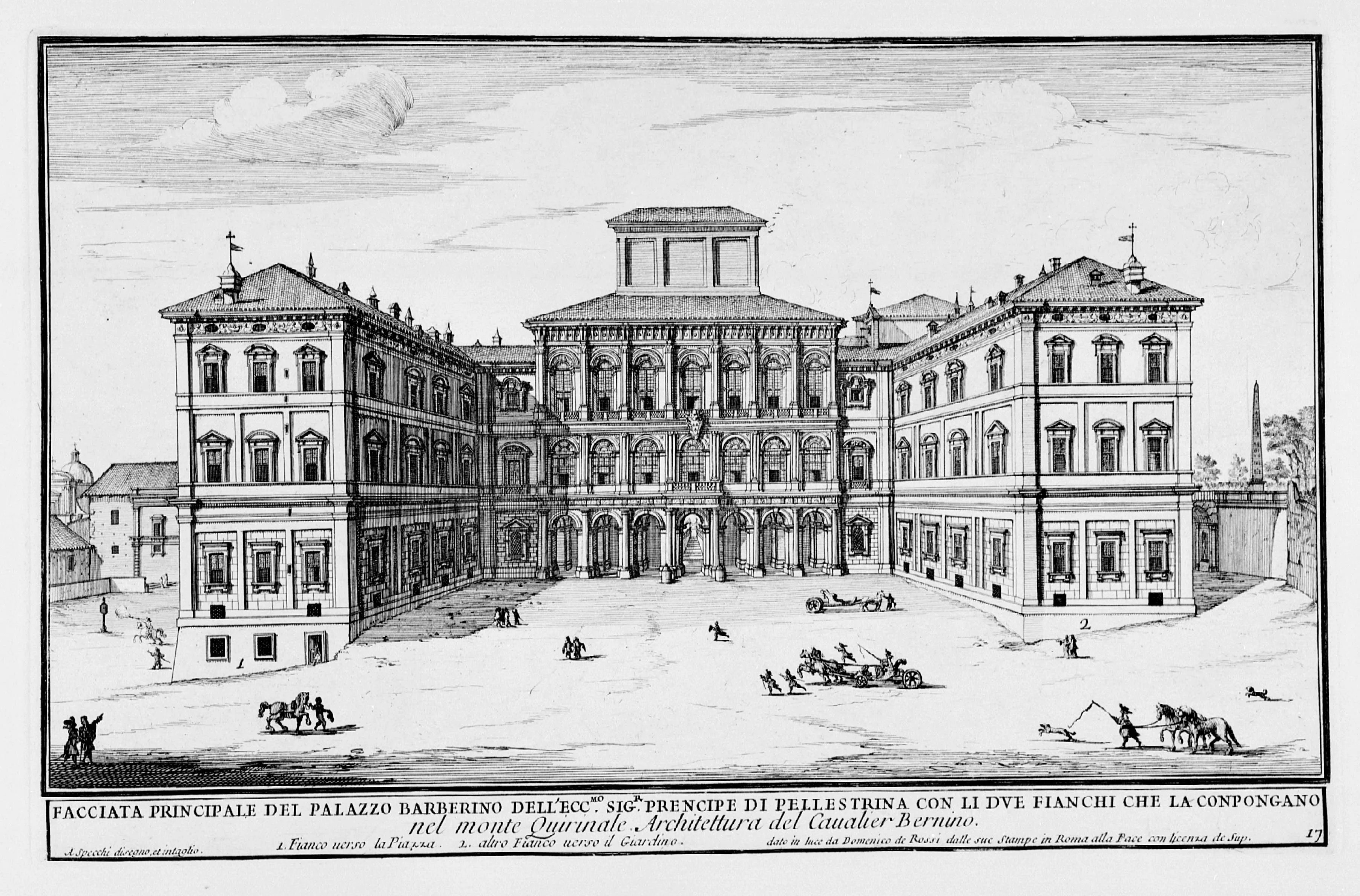
Some buildings are only buildings. Palazzo Barberini is also a document—written in stone, fresco, and institutional reinvention.
Timeline snapshot
| Era | What changed |
|---|---|
| 17th century | Family prestige project and Baroque statement |
| 18th–19th centuries | Collection shifts and changing uses |
| 20th century onward | Public museum framework consolidates |
Narrative arc
The palace begins as an instrument of visibility: lineage, papal proximity, and cultural authority made tangible. Over time, private ambition becomes public inheritance. The transition is never clean; it is negotiated through policy, preservation, and curatorial choice.
Every restored cornice is also a decision about what kind of memory the city keeps.
Three lenses for reading the site
- Political lens: patronage and legitimacy.
- Art-historical lens: style, schools, and collecting taste.
- Civic lens: access, education, and cultural stewardship.
Read the palace as a living institution, not a frozen monument, and its contradictions become its depth.
عن الكاتب

Rome Art Desk
أُعد هذا الدليل ليجعل قصر باربيريني قريباً وواضحاً وممتعاً لكل أنواع المسافرين — من الزائر لأول مرة إلى محب الفن الشغوف — عبر الجمع بين النصيحة العملية والقصص التي تجعل هذا القصر لا يُنسى. الهدف هو تحويل الزيارة من مجرد مرور بصري إلى تجربة ثقافية تبقى في الذاكرة، حيث لا تكون كل قاعة مجرد إطار زمني، بل فصل يشرح كيف تتقاطع السلطة والرمز والمدينة والذاكرة في تاريخ روما.
Tags
Comments (0)
Loading comments...